7 Surprising Benefits of Bodyweight Training vs Weightlifting You Need to Know

webmaster

바디웨이트 운동과 웨이트트레이닝 비교 - A fit young woman performing a one-arm push-up in a bright, spacious home gym with wooden floors and...

Choosing between bodyweight exercises and weight training can feel overwhelming, especially with so many fitness trends popping up. Bodyweight workouts offer incredible convenience and flexibility, allowing you to build strength anytime, anywhere.

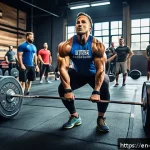
바디웨이트 운동과 웨이트트레이닝 비교 관련 이미지 1

On the other hand, weight training provides targeted muscle growth and can accelerate your fitness progress with the right equipment. Both methods have unique benefits, but which one truly fits your goals and lifestyle?

Let’s dive into the details below and uncover what works best for you!

Understanding the Impact on Muscle Development

The Science Behind Muscle Growth

When it comes to building muscle, the fundamental principle is progressive overload—challenging your muscles beyond their usual capacity. Weight training naturally lends itself to this by allowing you to increase resistance in small, controlled increments, which helps stimulate hypertrophy more predictably.

Bodyweight exercises, however, rely on manipulating leverage, repetitions, and tempo to achieve a similar effect. For example, progressing from regular push-ups to one-arm push-ups gradually increases the challenge without any equipment.

While weight training often produces faster visible muscle gains, bodyweight workouts can still develop strength and muscle tone effectively if you structure them intelligently.

Targeting Specific Muscle Groups

One advantage weight training holds is the ability to isolate muscle groups with precision. Machines and free weights can focus on smaller muscles like the biceps, triceps, or calves, which might be harder to target with bodyweight movements alone.

That said, bodyweight exercises engage multiple muscles simultaneously, promoting functional strength and coordination. For instance, a pull-up works your back, biceps, and shoulders together, mimicking real-life movements.

If your goal is balanced muscle development and practical strength, bodyweight routines can be surprisingly comprehensive, but for sculpting specific muscles, weights often take the lead.

How Muscle Fatigue Differs

Muscle fatigue is key to growth, and the way it’s induced varies between these methods. Weight training allows you to push muscles to failure more directly by adding weight, meaning you can stop once your muscles are fully taxed.

Bodyweight workouts sometimes require creative adjustments, like increasing reps or slowing down movements, to reach the same level of fatigue. Personally, I’ve noticed that bodyweight exercises can feel more challenging in terms of endurance and stability, while weights hit pure muscle strength harder.

Both approaches can wear your muscles out effectively but in slightly different ways.

Advertisement

Flexibility and Convenience in Your Fitness Routine

Anywhere, Anytime: The Freedom of Bodyweight Training

One of the biggest perks of bodyweight workouts is that you’re not chained to a gym or equipment. All you really need is your own body and a little space.

This makes it perfect for travel, busy schedules, or those who prefer working out at home. I’ve personally squeezed in quick routines during hectic workdays without missing a beat, and it’s incredibly satisfying knowing you can maintain progress without fancy gear.

Plus, bodyweight exercises can be adapted for all fitness levels, which means you can keep evolving even without external weights.

Weight Training Requires Planning but Offers Control

On the flip side, weight training usually needs some setup—whether it’s a gym membership or investing in dumbbells, barbells, or resistance machines. This can be less flexible but offers the advantage of precise control over the workout variables.

You can track your progress with numbers, making it easier to set clear goals. From experience, having access to a gym with weights has pushed me to new strength plateaus, but it also demands more commitment in terms of time and preparation.

If you’re someone who thrives on structure and measurable progress, weight training might suit your lifestyle better.

Adapting to Your Environment

The environment plays a huge role in what type of training fits best. Bodyweight exercises shine outdoors or in small apartments where equipment is limited.

Weight training, however, is ideal if you have access to a well-equipped gym or a dedicated home gym space. In colder months or rainy seasons, I’ve found myself leaning on weights indoors more often, while summer encourages me to take advantage of parks for calisthenics.

Understanding your living situation and access to resources will help you decide which method is more practical for consistency.

Advertisement

Balancing Injury Risk and Recovery

Bodyweight Workouts and Joint Health

Bodyweight exercises tend to be lower impact, especially when performed with proper form, reducing the risk of injury for beginners or those with joint sensitivities.

Movements like squats, lunges, or planks engage muscles without heavy strain on joints or connective tissues. However, improper technique or rushing progressions can still lead to issues like tendonitis or muscle strains.

I’ve personally found that warming up thoroughly and listening to my body during bodyweight routines helps keep injuries at bay. It’s a gentler way to build strength while maintaining mobility.

The Heavier Load of Weight Training

Weight training carries a higher injury risk if done incorrectly, especially with heavy loads or poor form. Shoulder, lower back, and knee injuries are common pitfalls without proper guidance.

Yet, when executed carefully, weight training can actually strengthen joints and connective tissues, offering long-term protective benefits. I remember an instance where switching to a slower, controlled tempo on lifts reduced my shoulder pain significantly.

The key is prioritizing technique, using appropriate weights, and incorporating rest days to allow recovery.

Recovery Times and Muscle Soreness

Recovery after workouts differs between these methods as well. Weight training often causes more pronounced muscle soreness due to the intense mechanical stress, sometimes requiring 48 hours or more to fully recover.

Bodyweight exercises usually result in less severe soreness but might require more frequent sessions to maintain intensity. From personal experience, mixing both types throughout the week can balance recovery demands and keep me consistent without burnout.

Advertisement

Motivation and Psychological Benefits

Bodyweight Training and Mental Resilience

Bodyweight workouts often challenge you to master your own body, which can boost mental toughness and confidence. When you progress from basic to advanced moves like pistol squats or handstand push-ups, it feels like a real achievement.

I’ve noticed that this sense of personal mastery keeps me motivated, especially when I’m training solo. It’s empowering to see what your body can do without any equipment, and that can translate into other areas of life.

The Drive Behind Weight Training Progress

Weight training provides clear, measurable milestones—lifting heavier weights or increasing reps—that can be incredibly motivating. Tracking numbers gives a sense of accomplishment and can fuel your drive to push harder.

I’ve often felt a surge of motivation after smashing a personal best on deadlifts or bench press, which then spills over into other workouts. For people who thrive on goal-setting and competition, weight training offers a rewarding feedback loop.

Social Aspects and Community

Gyms and fitness classes centered on weight training often provide a social environment, with trainers and fellow gym-goers offering support and encouragement.

Bodyweight training can be more solitary, though online communities and group classes like calisthenics meetups are growing in popularity. Personally, I enjoy mixing both—joining a gym for social energy and doing bodyweight workouts at home when I need quiet focus.

Finding a community that fits your style can greatly enhance motivation and consistency.

Advertisement

Time Efficiency and Workout Structure

Quick and Effective Bodyweight Sessions

Bodyweight workouts can be structured to fit tight schedules, focusing on compound movements that work multiple muscle groups simultaneously. High-intensity interval training (HIIT) using bodyweight exercises can deliver a full-body burn in 20–30 minutes.

바디웨이트 운동과 웨이트트레이닝 비교 관련 이미지 2

I often use this approach on busy days because it maximizes calorie burn and muscle engagement without needing to change weights or machines. The convenience of short, effective sessions makes it easier to stick with a fitness habit.

Weight Training’s Structured Progression

Weight training sessions generally take longer, especially if you’re targeting different muscle groups with multiple exercises and rest periods. But this structure can be beneficial for those who want a comprehensive, balanced program.

Personally, when I have time, I enjoy splitting workouts into focused days—legs, chest, back—which allows me to push each muscle group to the limit. Though it requires more time, the targeted nature of weight training means you can be very deliberate about your progress.

Combining Both for Optimal Results

Many fitness enthusiasts find that blending bodyweight exercises with weight training offers the best of both worlds. Starting with bodyweight warm-ups to activate muscles, followed by weighted lifts, can optimize performance and reduce injury risk.

I’ve incorporated this hybrid approach and noticed better overall strength, endurance, and mobility. This combination also keeps workouts fresh and engaging, which helps with long-term adherence.

Advertisement

Cost Considerations and Accessibility

Minimal Investment with Bodyweight Training

One of the biggest draws of bodyweight workouts is that they’re essentially free. No gym memberships, no expensive equipment—just your body and maybe a yoga mat.

This makes fitness accessible to virtually everyone, regardless of budget. From my own experience, starting with simple bodyweight routines allowed me to build a solid foundation before investing in any equipment.

For people on a budget or those who prefer home workouts, this is a huge plus.

Financial Commitment for Weight Training

Weight training often involves some financial investment, whether it’s a gym membership, personal trainer fees, or home equipment. While these costs can add up, they also come with benefits like professional guidance and a wide range of workout options.

I’ve found that investing in quality equipment or a gym membership can be motivating, but it’s important to choose options that fit your budget and lifestyle to avoid wasted expenses.

Accessibility and Long-Term Affordability

Access to weight training facilities can vary based on location and personal circumstances. Some people live near well-equipped gyms, while others may struggle with availability or cost.

Bodyweight training remains universally accessible, making it a reliable fallback or primary method for many. Balancing initial investment and ongoing costs with your fitness goals and preferences will help you decide which approach is sustainable in the long run.

Aspect Bodyweight Exercises Weight Training
Equipment Needed Minimal to none Free weights, machines, or resistance bands
Muscle Targeting Compound, functional movements Isolated and compound exercises
Progression Method Increasing reps, altering leverage, tempo Increasing weight, reps, sets
Injury Risk Lower if performed correctly Higher without proper form or supervision
Flexibility Highly flexible, anywhere workouts Requires gym or equipment access
Cost Free or very low cost Moderate to high depending on gym or equipment
Time Efficiency Quick, high-intensity options available Longer sessions with rest periods
Motivation Style Personal mastery, mental resilience Goal tracking, measurable progress
Advertisement

Adjusting to Your Fitness Level and Goals

Beginners and Bodyweight Training

For those just starting out, bodyweight exercises provide a gentle introduction to strength training without overwhelming complexity or equipment. Movements like squats, planks, and modified push-ups build foundational strength and teach body awareness.

I’ve seen many friends gain confidence and avoid injury by starting here before moving on to weights. It’s a safe, accessible entry point that builds a strong base for future progress.

Intermediate and Advanced Progressions

As you grow stronger, bodyweight training requires more creativity to stay challenging—think explosive plyometrics, one-limb exercises, or slow eccentric movements.

Weight training, meanwhile, offers straightforward progression by adding load. I personally cycle between both methods depending on how my body feels and my goals at the time.

If you want raw strength and size, weight training is usually more efficient, but advanced calisthenics can develop impressive strength and control too.

Goal-Driven Training Decisions

Ultimately, your choice should align with what you want to achieve. If your goal is fat loss, cardiovascular health, and functional strength, bodyweight workouts can be perfect.

For muscle hypertrophy, powerlifting, or bodybuilding ambitions, weight training is more suitable. I recommend experimenting with both to see which keeps you motivated and fits into your lifestyle.

Mixing methods can also prevent plateaus and keep fitness enjoyable over time.

Advertisement

Long-Term Sustainability and Lifestyle Integration

Maintaining Consistency with Bodyweight Workouts

The ease and accessibility of bodyweight exercises make them highly sustainable for long-term fitness. You can do them anywhere, anytime, making it easier to stay consistent despite a busy schedule or travel.

Personally, this flexibility has helped me maintain a workout habit even during stressful periods. Plus, the variety of exercises keeps things interesting, which is crucial for avoiding burnout.

Weight Training’s Role in Lifelong Fitness

Weight training supports longevity by maintaining muscle mass, bone density, and metabolic health as you age. While it might require more planning, the benefits for overall health are significant.

I’ve found that integrating weight training into my routine has improved not just strength but also posture and injury prevention. If you enjoy structured workouts and have access to equipment, it can be a lifelong companion for fitness.

Combining Both for a Balanced Lifestyle

The best approach might be a blend—using bodyweight exercises for mobility, endurance, and convenience, and weight training for strength and muscle development.

This combination can adapt to your changing needs and keep your routine fresh. I often recommend this hybrid strategy to friends and clients because it balances variety, challenge, and practicality, which are key to making fitness a permanent part of life.

Advertisement

Conclusion

Choosing between bodyweight exercises and weight training depends on your goals, lifestyle, and preferences. Both methods offer unique benefits and challenges that can contribute to muscle growth, strength, and overall fitness. Incorporating elements of both can create a balanced, effective routine that keeps you motivated and progressing. Ultimately, consistency and enjoyment are key to long-term success in any fitness journey.

Advertisement

Useful Tips to Keep in Mind

1. Start with bodyweight exercises if you are new to training; they build a solid foundation and reduce injury risk.
2. Use weight training to target specific muscles and accelerate strength gains once you’re comfortable with basic movements.
3. Listen to your body and prioritize proper form to avoid injuries regardless of the workout style you choose.
4. Mix both bodyweight and weight training to keep workouts fresh, enhance overall fitness, and prevent plateaus.
5. Adapt your routine based on your environment, schedule, and available resources to maintain consistency over time.

Key Takeaways for Your Fitness Journey

Understanding the strengths and limitations of both bodyweight exercises and weight training helps you make informed decisions tailored to your needs. Bodyweight workouts excel in flexibility and mental resilience, while weight training offers precise control and measurable progress. Balancing injury prevention with workout intensity is essential for sustainable growth. Most importantly, finding an approach that fits your lifestyle and keeps you motivated will ensure lasting fitness success.

Frequently Asked Questions (FAQ) 📖

Q: Can I build significant muscle with bodyweight exercises alone?

A: Absolutely, you can build muscle using bodyweight exercises, especially if you focus on progressive overload by increasing reps, sets, or difficulty variations.
Movements like push-ups, pull-ups, and pistol squats are fantastic for strength and muscle growth. However, for advanced muscle hypertrophy, incorporating weights can help target muscles more precisely and push beyond bodyweight limits.
From my experience, combining both methods often leads to the best results.

Q: Which is better for weight loss: bodyweight workouts or weight training?

A: Both can be effective for weight loss, but they work differently. Bodyweight workouts often involve high-rep, dynamic movements that boost your heart rate and burn calories quickly, making them great for fat loss and endurance.
Weight training, on the other hand, builds lean muscle mass that increases your resting metabolism over time. Personally, I found mixing bodyweight circuits with weight training sessions keeps workouts interesting and maximizes fat burning.

Q: How do I decide which workout method suits my lifestyle?

A: Think about your goals, schedule, and available space or equipment. If you travel frequently or prefer exercising at home without gear, bodyweight exercises offer unmatched convenience.
Conversely, if you enjoy hitting the gym or want targeted muscle growth, weight training is ideal. I recommend starting with bodyweight routines to build a foundation, then gradually adding weights as you progress or your goals evolve.
Listening to your body and what feels sustainable is key for long-term success.

📚 References


➤ Link

– Google Search

➤ Link

– Bing Search

➤ Link

– Google Search

➤ Link

– Bing Search

➤ Link

– Google Search

➤ Link

– Bing Search

➤ Link

– Google Search

➤ Link

– Bing Search

➤ Link

– Google Search

➤ Link

– Bing Search

➤ Link

– Google Search

➤ Link

– Bing Search

➤ Link

– Google Search

➤ Link

– Bing Search

➤ Link

– Google Search

➤ Link

– Bing Search

➤ Link

– Google Search

➤ Link

– Bing Search