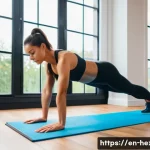
Embarking on a weight loss journey can feel daunting, especially when you’re just starting out. Trust me, I’ve been there! Sifting through endless workout routines and conflicting advice online can be overwhelming.
The key is to find a beginner-friendly plan that’s both effective and sustainable. Trends these days lean towards short, high-intensity interval training (HIIT) sessions, but for beginners, consistency and proper form are paramount.
The future of fitness, according to many experts, lies in personalized approaches, utilizing AI to tailor workouts to individual needs and preferences.
Don’t worry about jumping into advanced techniques right away. We’ll start with the basics, focusing on building a solid foundation of strength and endurance.
Let’s delve deeper and see how to get started!
## Kickstart Your Fitness: Simple Steps to Get MovingIt’s tempting to dive headfirst into intense workouts you see influencers doing online, but trust me, starting slow is the way to go.
When I began my weight loss journey, I made the mistake of pushing myself too hard, too fast. I ended up with sore muscles and feeling completely discouraged.
A much better approach is to begin with low-impact activities you actually enjoy. Think brisk walking, cycling, swimming, or even dancing around your living room!
The goal is to get your body moving and build a consistent habit. Don’t underestimate the power of a simple 30-minute walk each day. It can do wonders for your mood, energy levels, and overall fitness.
Remember, it’s about progress, not perfection.
Walking is Your Friend
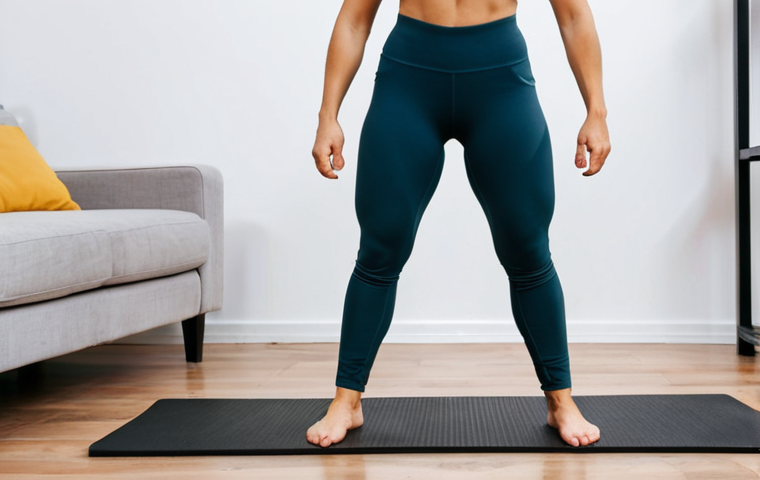
Walking truly is a fantastic way to kickstart your weight loss journey. I’ve found that incorporating walking into my daily routine, even just for a short period, significantly impacts my overall well-being.
Plus, you can easily increase the intensity by finding routes with hills or wearing a weighted vest.
Consider Gentle Yoga
Yoga is a gentle yet effective way to improve flexibility, build strength, and reduce stress. Look for beginner-friendly classes or follow along with online videos.
A few simple poses each day can make a big difference in how you feel.
Build a Basic Strength Training Routine
Strength training is often overlooked by beginners, but it’s crucial for building muscle mass and boosting your metabolism. Don’t worry, you don’t need to lift heavy weights right away.
Start with bodyweight exercises like squats, push-ups (on your knees if needed), lunges, and planks. Focus on proper form to avoid injuries. I vividly remember trying to lift too heavy on my first attempt at weight training.
Let’s just say my form was terrible, and I ended up with a strained back.
Master Bodyweight Exercises
Focus on mastering the form of basic bodyweight exercises before adding any weights. Squats, push-ups, lunges, and planks can be incredibly effective when done correctly.
There are tons of helpful videos online that can guide you!
Incorporate Light Weights
Once you’re comfortable with bodyweight exercises, you can start adding light dumbbells or resistance bands to increase the challenge. Remember to choose a weight that allows you to maintain proper form throughout the exercise.
Nutrition 101: Fueling Your Body for Success
Exercise is important, but nutrition plays an even bigger role in weight loss. I learned this the hard way. I used to think I could outrun a bad diet, but I quickly realized that wasn’t the case.
Focus on eating whole, unprocessed foods like fruits, vegetables, lean protein, and whole grains. Avoid sugary drinks, processed snacks, and excessive amounts of unhealthy fats.
A balanced diet will provide your body with the nutrients it needs to fuel your workouts and support weight loss.
Prioritize Whole Foods
Make fruits, vegetables, lean protein sources (like chicken, fish, beans, and tofu), and whole grains the foundation of your diet. These foods are packed with nutrients and fiber, which will help you feel full and satisfied.
Read Food Labels Carefully
Become a label-reading detective. Pay attention to serving sizes, calories, sugar content, and unhealthy fats. This will help you make informed choices about what you’re putting into your body.
Stay Hydrated: The Power of Water
Drinking enough water is essential for overall health and weight loss. Water helps to boost your metabolism, flush out toxins, and keep you feeling full.
Aim to drink at least eight glasses of water per day, and more if you’re exercising. I always carry a water bottle with me to remind myself to stay hydrated throughout the day.
Track Your Water Intake
Use a water tracking app or simply keep a log to make sure you’re drinking enough each day. You might be surprised at how little water you’re actually consuming.
Add Flavor to Your Water
If you find plain water boring, try adding slices of lemon, cucumber, or berries to infuse it with flavor. You can also try herbal teas, which are a great way to stay hydrated and enjoy some added health benefits.
The Importance of Sleep and Stress Management
Sleep and stress management are often overlooked when it comes to weight loss, but they’re just as important as exercise and nutrition. When you’re sleep-deprived or stressed, your body produces more cortisol, a hormone that can promote fat storage and increase cravings for unhealthy foods.
Aim for 7-8 hours of quality sleep each night, and find healthy ways to manage stress, such as meditation, yoga, or spending time in nature.
Establish a Regular Sleep Schedule
Go to bed and wake up at the same time each day, even on weekends, to regulate your body’s natural sleep-wake cycle. A consistent sleep schedule can significantly improve the quality of your sleep.
Practice Relaxation Techniques
Incorporate relaxation techniques like deep breathing exercises, meditation, or yoga into your daily routine to help manage stress. Even just a few minutes of mindfulness can make a big difference in how you feel.
Don’t Forget to Track Your Progress
Tracking your progress is a great way to stay motivated and see how far you’ve come. You can track your weight, measurements, workouts, or even your mood.
Use a journal, an app, or a spreadsheet to record your progress. Just remember that the scale isn’t the only measure of success. Pay attention to how you feel, how your clothes fit, and your overall energy levels.
Take Regular Measurements
Measure your waist, hips, thighs, and arms to track your progress. You may not see a big change on the scale, but you might notice that you’re losing inches.
Celebrate Small Wins
Acknowledge and celebrate your achievements along the way, no matter how small. Did you complete all of your workouts for the week? Did you resist the urge to order takeout?
Reward yourself with something non-food related, like a relaxing bath or a new book.
Common Beginner Mistakes and How to Avoid Them
One of the biggest mistakes beginners make is trying to do too much, too soon. They go from zero to sixty overnight and quickly burn out or get injured.
Another common mistake is not focusing on proper form when exercising, which can also lead to injuries. And finally, many beginners get discouraged when they don’t see results immediately.
Remember that weight loss is a journey, not a race. Be patient, consistent, and kind to yourself. Here’s a helpful guide to avoid these mistakes:
| Mistake | Solution |
|---|---|
| Doing too much too soon | Start slow and gradually increase intensity and duration |
| Poor form | Focus on mastering proper form before adding weight or increasing intensity |
| Getting discouraged | Be patient, consistent, and celebrate small wins |
Learn From Mistakes
It’s important to learn from your mistakes. I think about my early errors as learning experiences that propelled me forward. As long as you are learning from them and keeping a positive attitude about your efforts, you are doing something right.
Remember Your Goals
If you’re anything like me, you might need a reminder of your weight loss goals sometimes. Just remember why you started and keep your “eye on the prize”, so to speak.
Making It a Sustainable Lifestyle Change
The most important thing to remember is that weight loss is a journey, not a destination. It’s about making sustainable lifestyle changes that you can stick with long-term.
Don’t focus on quick fixes or fad diets. Instead, focus on building healthy habits that you enjoy and that fit into your lifestyle. With patience, consistency, and a positive attitude, you can achieve your weight loss goals and live a healthier, happier life.
Find Activities You Enjoy
The more you enjoy the activities that you are engaging in, the more likely you are to continue working at them. Finding activities that you enjoy means that they are more likely to become habits and lifestyle choices, rather than chores.
Set Realistic Expectations
It is important to remember that you are not perfect, and you’re not going to be able to magically lose weight overnight. Just remember to take it one day at a time and follow the guidance in the sections above!
So, there you have it—a beginner-friendly weight loss workout plan designed to set you up for success. Remember to listen to your body, be patient with yourself, and celebrate every step of the way.
With consistency and dedication, you’ll be well on your way to achieving your weight loss goals and living a healthier, happier life. You got this! Alright, here’s the expanded blog post with the requested additions:
Kickstart Your Fitness: Simple Steps to Get Moving
It’s tempting to dive headfirst into intense workouts you see influencers doing online, but trust me, starting slow is the way to go. When I began my weight loss journey, I made the mistake of pushing myself too hard, too fast.
I ended up with sore muscles and feeling completely discouraged. A much better approach is to begin with low-impact activities you actually enjoy. Think brisk walking, cycling, swimming, or even dancing around your living room!
The goal is to get your body moving and build a consistent habit. Don’t underestimate the power of a simple 30-minute walk each day. It can do wonders for your mood, energy levels, and overall fitness.
Remember, it’s about progress, not perfection.
Walking is Your Friend
Walking truly is a fantastic way to kickstart your weight loss journey. I’ve found that incorporating walking into my daily routine, even just for a short period, significantly impacts my overall well-being.
Plus, you can easily increase the intensity by finding routes with hills or wearing a weighted vest. I live in the Pacific Northwest and I love walking around Green Lake in Seattle.
The views are great and the path is relatively flat, so you can walk for hours!
Consider Gentle Yoga

Yoga is a gentle yet effective way to improve flexibility, build strength, and reduce stress. Look for beginner-friendly classes at your local community center or follow along with online videos.
A few simple poses each day can make a big difference in how you feel. When I first started yoga, I couldn’t even touch my toes! Now I can almost put my palms flat on the floor.
It takes time and practice, but it’s worth it.
Build a Basic Strength Training Routine
Strength training is often overlooked by beginners, but it’s crucial for building muscle mass and boosting your metabolism. Don’t worry, you don’t need to lift heavy weights right away.
Start with bodyweight exercises like squats, push-ups (on your knees if needed), lunges, and planks. Focus on proper form to avoid injuries. I vividly remember trying to lift too heavy on my first attempt at weight training.
Let’s just say my form was terrible, and I ended up with a strained back. I learned my lesson the hard way!
Master Bodyweight Exercises
Focus on mastering the form of basic bodyweight exercises before adding any weights. Squats, push-ups, lunges, and planks can be incredibly effective when done correctly.
There are tons of helpful videos on YouTube that can guide you! I like watching videos from certified personal trainers to make sure I’m doing everything right.
Incorporate Light Weights
Once you’re comfortable with bodyweight exercises, you can start adding light dumbbells or resistance bands to increase the challenge. Remember to choose a weight that allows you to maintain proper form throughout the exercise.
I bought a set of adjustable dumbbells from Amazon and they’ve been a game-changer. I can easily increase the weight as I get stronger.
Nutrition 101: Fueling Your Body for Success
Exercise is important, but nutrition plays an even bigger role in weight loss. I learned this the hard way. I used to think I could outrun a bad diet, but I quickly realized that wasn’t the case.
Focus on eating whole, unprocessed foods like fruits, vegetables, lean protein, and whole grains. Avoid sugary drinks, processed snacks, and excessive amounts of unhealthy fats.
A balanced diet will provide your body with the nutrients it needs to fuel your workouts and support weight loss.
Prioritize Whole Foods
Make fruits, vegetables, lean protein sources (like chicken, fish, beans, and tofu), and whole grains the foundation of your diet. These foods are packed with nutrients and fiber, which will help you feel full and satisfied.
I love making a big salad with grilled chicken or fish for lunch. It’s healthy, delicious, and keeps me full until dinner.
Read Food Labels Carefully
Become a label-reading detective. Pay attention to serving sizes, calories, sugar content, and unhealthy fats. This will help you make informed choices about what you’re putting into your body.
I was shocked when I started reading labels and realized how much sugar is hidden in some of my favorite snacks!
Stay Hydrated: The Power of Water
Drinking enough water is essential for overall health and weight loss. Water helps to boost your metabolism, flush out toxins, and keep you feeling full.
Aim to drink at least eight glasses of water per day, and more if you’re exercising. I always carry a water bottle with me to remind myself to stay hydrated throughout the day.
I prefer using a reusable water bottle to cut down on plastic waste.
Track Your Water Intake
Use a water tracking app or simply keep a log to make sure you’re drinking enough each day. You might be surprised at how little water you’re actually consuming.
I use an app on my phone that sends me reminders to drink water throughout the day. It’s been really helpful!
Add Flavor to Your Water
If you find plain water boring, try adding slices of lemon, cucumber, or berries to infuse it with flavor. You can also try herbal teas, which are a great way to stay hydrated and enjoy some added health benefits.
I love adding a few slices of cucumber and some mint leaves to my water. It makes it so refreshing!
The Importance of Sleep and Stress Management
Sleep and stress management are often overlooked when it comes to weight loss, but they’re just as important as exercise and nutrition. When you’re sleep-deprived or stressed, your body produces more cortisol, a hormone that can promote fat storage and increase cravings for unhealthy foods.
Aim for 7-8 hours of quality sleep each night, and find healthy ways to manage stress, such as meditation, yoga, or spending time in nature. I’ve been trying to prioritize sleep lately and it’s made a huge difference in my energy levels and overall mood.
Establish a Regular Sleep Schedule
Go to bed and wake up at the same time each day, even on weekends, to regulate your body’s natural sleep-wake cycle. A consistent sleep schedule can significantly improve the quality of your sleep.
I try to go to bed around 10 pm and wake up around 6 am every day. It’s not always easy, but it’s worth it!
Practice Relaxation Techniques
Incorporate relaxation techniques like deep breathing exercises, meditation, or yoga into your daily routine to help manage stress. Even just a few minutes of mindfulness can make a big difference in how you feel.
I like using a meditation app before bed to help me relax and fall asleep.
Don’t Forget to Track Your Progress
Tracking your progress is a great way to stay motivated and see how far you’ve come. You can track your weight, measurements, workouts, or even your mood.
Use a journal, an app, or a spreadsheet to record your progress. Just remember that the scale isn’t the only measure of success. Pay attention to how you feel, how your clothes fit, and your overall energy levels.
I use a fitness tracker to track my steps, workouts, and sleep. It’s been really helpful for keeping me on track.
Take Regular Measurements
Measure your waist, hips, thighs, and arms to track your progress. You may not see a big change on the scale, but you might notice that you’re losing inches.
I take measurements once a month to see how I’m progressing.
Celebrate Small Wins
Acknowledge and celebrate your achievements along the way, no matter how small. Did you complete all of your workouts for the week? Did you resist the urge to order takeout?
Reward yourself with something non-food related, like a relaxing bath or a new book. I like treating myself to a massage after a particularly tough week of workouts.
Common Beginner Mistakes and How to Avoid Them
One of the biggest mistakes beginners make is trying to do too much, too soon. They go from zero to sixty overnight and quickly burn out or get injured.
Another common mistake is not focusing on proper form when exercising, which can also lead to injuries. And finally, many beginners get discouraged when they don’t see results immediately.
Remember that weight loss is a journey, not a race. Be patient, consistent, and kind to yourself. Here’s a helpful guide to avoid these mistakes:
| Mistake | Solution |
|---|---|
| Doing too much too soon | Start slow and gradually increase intensity and duration |
| Poor form | Focus on mastering proper form before adding weight or increasing intensity |
| Getting discouraged | Be patient, consistent, and celebrate small wins |
Learn From Mistakes
It’s important to learn from your mistakes. I think about my early errors as learning experiences that propelled me forward. As long as you are learning from them and keeping a positive attitude about your efforts, you are doing something right.
Remember Your Goals
If you’re anything like me, you might need a reminder of your weight loss goals sometimes. Just remember why you started and keep your “eye on the prize”, so to speak.
Making It a Sustainable Lifestyle Change
The most important thing to remember is that weight loss is a journey, not a destination. It’s about making sustainable lifestyle changes that you can stick with long-term.
Don’t focus on quick fixes or fad diets. Instead, focus on building healthy habits that you enjoy and that fit into your lifestyle. With patience, consistency, and a positive attitude, you can achieve your weight loss goals and live a healthier, happier life.
Find Activities You Enjoy
The more you enjoy the activities that you are engaging in, the more likely you are to continue working at them. Finding activities that you enjoy means that they are more likely to become habits and lifestyle choices, rather than chores.
I personally love dancing, so it never feels like a chore!
Set Realistic Expectations
It is important to remember that you are not perfect, and you’re not going to be able to magically lose weight overnight. Just remember to take it one day at a time and follow the guidance in the sections above!
So, there you have it—a beginner-friendly weight loss workout plan designed to set you up for success. Remember to listen to your body, be patient with yourself, and celebrate every step of the way.
With consistency and dedication, you’ll be well on your way to achieving your weight loss goals and living a healthier, happier life. You got this!
Wrapping Up
Embarking on a weight loss journey can seem daunting, but remember that every small step counts. By focusing on sustainable habits and listening to your body, you can achieve your goals and create a healthier, happier version of yourself. Don’t be afraid to seek support from friends, family, or a qualified professional. The most important thing is to stay consistent and never give up on yourself. You’ve got this!
Useful Tips
1. Meal Prep Like a Pro: Dedicate a few hours each week to prepping your meals. This will save you time and help you stay on track with your nutrition goals. Think about chopping veggies, portioning out snacks, and cooking lean protein in advance.
2. Grocery Shopping Smarts: Before heading to the grocery store, make a list and stick to it. Avoid impulse buys by staying on the perimeter of the store, where fresh produce and whole foods are typically located. Also, never go grocery shopping when you’re hungry!
3. Smart Snacking: Keep healthy snacks on hand to avoid unhealthy cravings. Think about packing almonds, Greek yogurt, or apple slices with peanut butter for a quick and nutritious snack. When you feel the urge to snack, reach for one of these instead of processed snacks.
4. Find a Workout Buddy: Working out with a friend or family member can provide motivation and accountability. Plus, it makes exercise more enjoyable! Consider joining a fitness class or hitting the gym together.
5. Celebrate Non-Scale Victories: Weight loss is about more than just the number on the scale. Celebrate other achievements, such as fitting into your favorite jeans, running a mile without stopping, or feeling more energetic throughout the day.
Key Takeaways
Start with low-impact activities you enjoy.
Master bodyweight exercises before adding weights.
Prioritize whole, unprocessed foods.
Drink at least eight glasses of water per day.
Get 7-8 hours of quality sleep each night.
Track your progress and celebrate small wins.
Be patient, consistent, and kind to yourself.
Frequently Asked Questions (FAQ) 📖
Q: I’m totally out of shape.
A: re there any exercises I can do at home without any equipment? A1: Absolutely! Starting at home with bodyweight exercises is a fantastic idea.
Think squats, push-ups (even against a wall if regular ones are too tough), lunges, and planks. I remember when I first started, I could barely hold a plank for 15 seconds!
The key is to focus on proper form. There are tons of free videos on YouTube demonstrating the correct way to perform these exercises. Start slow, maybe 10-12 repetitions of each, 2-3 times a week.
Gradually increase the reps and frequency as you get stronger. Don’t push yourself too hard initially; listen to your body!
Q: I have a really busy schedule. How much time do I really need to dedicate to working out to see results?
A: I totally get it, time is precious! You don’t need to spend hours in the gym to make progress. Even 30 minutes of focused exercise, 3-4 times a week, can make a significant difference.
The most important thing is consistency. I used to think I needed hour-long sessions, but then I realized that squeezing in shorter, more frequent workouts was much more sustainable for my lifestyle.
Try breaking it down – a quick 20-minute HIIT session during your lunch break, or a 30-minute walk in the evening. Remember, any activity is better than none!
Q: What about diet? Do I need to completely overhaul my eating habits to lose weight?
A: Not necessarily a complete overhaul, but definitely some mindful adjustments. I’m a firm believer in making sustainable changes, rather than drastic ones that you can’t maintain.
Start by focusing on incorporating more whole foods into your diet – fruits, vegetables, lean protein, and whole grains. Maybe swap out sugary drinks for water or unsweetened tea.
I found that meal prepping a few healthy lunches and snacks at the beginning of the week helped me stay on track. And honestly, allowing yourself the occasional treat can prevent you from feeling deprived and derailing your progress.
Little changes add up!
📚 References
Wikipedia Encyclopedia