
Hey fitness enthusiasts! Ever hop on the treadmill, push yourself, but wonder if you’re *really* hitting that sweet spot for your heart rate? I know I used to.
It’s so easy to just run or walk, but truly optimizing your workout means understanding and maintaining your ideal heart rate zone. In today’s fast-paced world, where every minute counts, making sure your cardio sessions are effective and efficient is key to reaching your fitness goals, whether you’re training for a race or just boosting your overall health.
I’ve personally experimented with various strategies, and let me tell you, finding that perfect balance makes all the difference in how you feel and the results you see.
Let’s dive deeper into some game-changing tips to keep your heart rate exactly where it needs to be for maximum benefit!
Cracking the Code: Your Personal Heart Rate Zones
Beyond the 220-Minus-Age Myth
Alright, let’s get real about heart rate. When I first started diving into fitness years ago, everyone, and I mean *everyone*, kept repeating that simple “220 minus your age” rule for maximum heart rate.
It’s definitely a common starting point, and for some, it might even get you in the ballpark, but honestly, I quickly realized it was just too generic to be truly useful for *my* body and *my* specific goals.
My experience showed me that relying solely on such a broad estimate can leave you either overtraining, feeling completely drained, or undertraining, and not seeing the results you’re pushing so hard for.
Every single one of us is unique – our fitness levels, genetics, and even how we feel on any given day can totally shift what our “max” feels like. So, while it’s a nice little mental shortcut, don’t let it be the be-all and end-all of your treadmill journey.
It’s like using a global weather forecast to decide what to wear for your specific morning run; sometimes it works, but often you need a much more local, personal update.
To truly hit that sweet spot during your treadmill sessions, we need something a little more tailored, something that truly speaks to your individual physiology rather than just an age-based average that may or may not apply to you.
The Karvonen Method: Getting Truly Personal
This is where things get exciting and a little more scientific! I remember discovering the Karvonen Method, and it felt like a total game-changer for my own training.
Instead of just guessing, this method takes into account your resting heart rate, which is a fantastic indicator of your current fitness level. Think about it: a lower resting heart rate often signals a more efficient heart, and that’s a huge piece of the puzzle that the 220-minus-age formula completely ignores.
By factoring in your resting heart rate alongside your estimated maximum heart rate, the Karvonen formula helps you define your training zones with far greater precision.
It allows you to calculate your Heart Rate Reserve (HRR) and then determine your target heart rate zones as a percentage of *that* reserve. This means your zones are truly personalized, reflecting your unique cardiovascular efficiency.
I’ve personally found that when I started using this method, my workouts felt more purposeful, and I could genuinely feel the difference in my endurance and recovery.
It’s not just about hitting a number; it’s about understanding what that number means for *you* and how your body responds. It empowers you to train smarter, not just harder, and that makes all the difference in staying motivated and seeing real, lasting progress on that treadmill.
| Heart Rate Zone | % of Max Heart Rate (MHR) | Primary Benefit |
|---|---|---|
| Zone 1: Very Light | 50-60% MHR | Warm-up, Recovery, General Health |
| Zone 2: Light (Fat Burn) | 60-70% MHR | Endurance Building, Fat Burning Efficiency |
| Zone 3: Moderate (Aerobic) | 70-80% MHR | Cardiovascular Fitness, Stamina Improvement |
| Zone 4: Hard (Anaerobic) | 80-90% MHR | Speed, Power, Lactate Threshold Improvement |
| Zone 5: Maximum Effort | 90-100% MHR | Peak Performance, Short Bursts of Intensity |
Essential Gear: Tracking Your Beats Per Minute
Wrist-Worn Wonders vs. Chest-Strap Champions
Let’s talk tech, because frankly, without the right tools, hitting those precise heart rate zones on the treadmill can feel like pure guesswork. I’ve dabbled with so many different heart rate monitors over the years, and I can tell you, there’s a definite difference between what you strap to your wrist and what wraps around your chest.
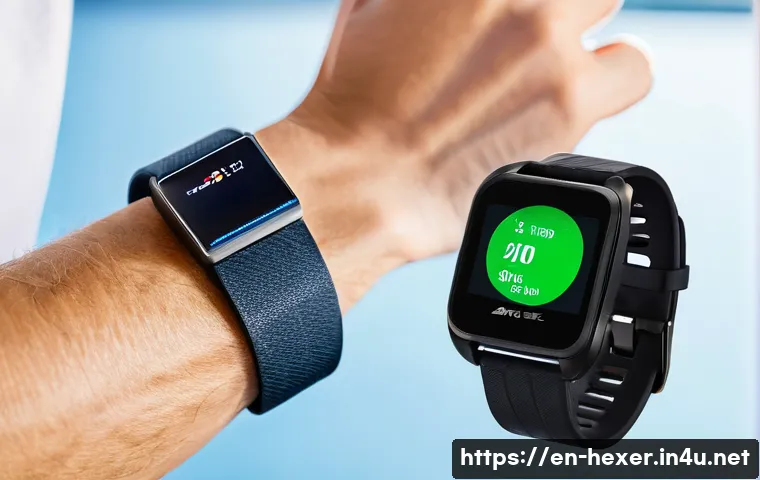
Wrist-worn wearables, like your favorite smartwatch, are super convenient. They’re usually always on you, easy to glance at, and they track so much more than just your heart rate.
For casual workouts or just generally monitoring your daily activity and resting heart rate, they’re fantastic. I use mine all the time for everyday tracking.
However, for those treadmill sessions where I’m really trying to dial into a specific zone for optimal training, I’ve consistently found that a chest strap heart rate monitor offers superior accuracy and responsiveness.
They measure the electrical signals from your heart, which is a much more direct and precise method than the optical sensors on your wrist that rely on blood flow.
There’s nothing worse than feeling like you’re pushing hard, only for your wrist monitor to lag behind, showing a lower heart rate than you know you’re actually hitting.
For serious heart rate training, especially when doing interval work where your heart rate changes rapidly, that instantaneous feedback from a chest strap is invaluable.
Some of my go-to recommendations, based on what I’ve personally used and seen friends rave about, include the Polar H10 or the Garmin HRM-Pro. They’re a small investment, but the data quality they provide makes every workout more effective and keeps you honest with your effort.
Seamless Integration with Your Treadmill
One of the coolest things about modern fitness tech is how well it all plays together. Gone are the days of having a separate device for every single metric.
Many of the top heart rate monitors, especially chest straps like the Polar H10 or Garmin HRM-Pro, come equipped with both Bluetooth and ANT+ connectivity.
Why does this matter? Well, it means they can often pair directly with your treadmill! I remember the first time I saw my heart rate pop up right on the treadmill console from my chest strap – it felt like magic.
This direct connection streamlines your workout experience. You don’t have to constantly look at your watch or phone; the vital numbers are right there in your line of sight, making it so much easier to stay in your target zone without breaking your stride or losing focus.
This seamless integration also means that the treadmill’s pre-set programs, if you use them, can potentially adjust the speed or incline based on your real-time heart rate, creating a truly personalized and responsive workout.
It’s like having a personal coach right there with you, constantly optimizing your effort. Before you buy, just double-check that your chosen heart rate monitor is compatible with your specific treadmill model.
Trust me, having that data front and center can dramatically improve your ability to regulate your effort and get the most out of every single minute you spend pounding the belt.
Elevating Your Treadmill Game: Smart Strategies for HR Control
Harnessing the Power of Intervals and Incline
Once you’ve got your zones dialed in and your gear ready, it’s time to supercharge your treadmill workouts! I used to just hop on and run at a steady pace, thinking I was doing enough.
But honestly, incorporating interval training and playing with the incline has been a revelation for my heart rate control and overall fitness. Interval training means alternating between periods of high intensity (pushing your heart rate into those higher zones) and lower intensity (allowing it to recover into a lower zone).
This approach is incredibly effective for boosting cardiovascular fitness, endurance, and even fat burning. For example, I love doing short, intense sprints where I aim for Zone 4 or even Zone 5, followed by a comfortable walk or jog in Zone 2 to recover.
It’s challenging, but the constant change keeps me engaged and prevents that dreaded treadmill boredom. Adding incline is another fantastic tool. Running or even walking on an incline significantly increases the workload on your muscles and, consequently, your heart rate, without necessarily having to increase your speed dramatically.
It simulates outdoor hill running, engaging different muscle groups and making your workout more challenging and effective. I often incorporate incline intervals, like jogging at a moderate speed but varying the incline every few minutes to keep my heart rate bouncing within my target zones.
This variety not only maximizes calorie burn but also keeps your body guessing, leading to greater fitness adaptations.
The “Talk Test”: A Low-Tech Check-in
While all the fancy gadgets are great, sometimes the simplest methods are the most effective. I’ve found the “Talk Test” to be an incredibly intuitive and reliable way to gauge my effort and ensure I’m in the right heart rate zone, especially when I’m just starting out or on days when I want to give my tech a break.
It’s exactly what it sounds like: can you talk while you’re working out? If you’re in Zone 1 (very light intensity), you should be able to hold a full conversation comfortably.
As you move into Zone 2 (light to moderate), you might still be able to chat, but you’ll notice you need to pause occasionally to catch your breath. Once you hit Zone 3 (moderate to high intensity), speaking in full sentences becomes difficult, and you’ll probably only manage short phrases or single words.
If you’re gasping for air and can’t say more than a word or two, you’re likely in Zone 4 or 5, pushing yourself at a very high intensity. I love this method because it instantly connects me to my body’s sensations, rather than just relying on a number on a screen.
It’s a fantastic self-awareness tool that complements your heart rate monitor beautifully, helping you understand what different exertion levels *feel* like.
It’s particularly useful when your heart rate monitor might be lagging slightly during quick changes in intensity, providing immediate feedback on how hard your body is actually working.
Real-Time Adjustments for Optimal Results
This is where the magic really happens on the treadmill. Knowing your heart rate zones and having a monitor is one thing, but actively *using* that information to make real-time adjustments during your workout is key to unlocking your full potential.
I’ve had so many sessions where I planned to stay in Zone 3, only to find myself drifting into Zone 4 without even realizing it, or conversely, not quite hitting the intensity I aimed for.
That immediate feedback from my heart rate monitor allows me to course-correct instantly. If my heart rate is climbing too high, I’ll slightly decrease the speed or incline, or even take a brief walking recovery, to bring it back down.
If it’s too low, I’ll nudge the speed up, add a bit more incline, or shorten my recovery periods to push myself into the desired zone. This isn’t about being a “slave” to the numbers, as some might worry; it’s about being an active participant in your workout, learning to understand and respond to your body’s signals.
It’s about being present and making conscious decisions to maximize efficiency. This dynamic approach not only ensures you’re training effectively for your goals but also helps you build a stronger mind-body connection.
Over time, you’ll become incredibly attuned to how different efforts impact your heart rate, making you a more efficient and smarter exerciser, even without looking at the screen.
Fueling Your Fire: Nutrition & Hydration for Peak Performance
Pre-Workout Power-Ups: What to Eat When
You wouldn’t expect a high-performance sports car to run on an empty tank, right? The same goes for your body, especially when you’re hitting the treadmill with heart rate goals in mind.
What you eat before your workout can dramatically impact your energy levels, stamina, and even your ability to sustain those target heart rate zones. I’ve learned through trial and error that timing and type of fuel are everything.
Ideally, I aim to eat a balanced meal rich in complex carbohydrates about 2-3 hours before a significant treadmill session. Think whole-grain toast with a little peanut butter, oatmeal with berries, or a banana.
These slow-releasing carbs provide a steady supply of glucose to fuel your muscles, preventing that mid-workout crash. If I’m pressed for time and only have an hour or less, I’ll grab something easily digestible like a banana or a small handful of pretzels.
The key is to avoid heavy, fatty, or overly fibrous foods right before, as they can sit in your stomach and cause discomfort, diverting blood flow away from your working muscles to aid digestion.
My personal rule is always to prioritize easily digestible carbohydrates for quick energy. This approach keeps me feeling light and energetic, ready to tackle those heart rate challenges head-on without any digestive distractions.
Hydration Heroes: Keeping Your Engine Running Smoothly
Just as important as what you eat is how much you drink. Dehydration is a silent performance killer, and it can creep up on you without you even realizing it, especially when you’re sweating it out on the treadmill.
I’ve definitely felt the effects of inadequate hydration – a sluggish feeling, a higher perceived effort for the same pace, and sometimes even a slight headache.
When your body is dehydrated, your blood volume decreases, making your heart work harder to pump oxygen-rich blood to your muscles, which can unnaturally elevate your heart rate and make it harder to stay in your target zones.
My strategy is to be proactive about hydration throughout the day, not just right before my workout. I make sure to sip water consistently, aiming for about 16-20 ounces a couple of hours before my treadmill session.
During the workout, especially if it’s longer than 30-45 minutes, I keep a water bottle handy and take small, frequent sips. For really intense or longer sessions (over an hour), a sports drink with electrolytes might be beneficial to replenish what you’re losing through sweat.

Don’t wait until you’re thirsty; by then, you’re already likely a bit dehydrated. Keeping your body properly hydrated ensures optimal blood flow, efficient nutrient delivery to your muscles, and stable heart rate responses, making your efforts on the treadmill much more effective and enjoyable.
Steering Clear of Pitfalls: Common Treadmill HR Blunders
The Handrail Habit and Other Form Faux Pas
Oh, the handrails! I see this mistake so often, and I’ve even been guilty of it myself in my early days. It’s so tempting to grip those handrails, especially when you increase the incline or speed.
It feels like you’re getting a more intense workout because you’re huffing and puffing, but in reality, you’re totally short-changing yourself and messing with your heart rate data.
When you hold onto the handrails, you’re essentially supporting some of your body weight, which reduces the actual effort your legs and cardiovascular system have to put in.
This means your heart rate will be artificially lower than it would be if you were truly supporting yourself, making your heart rate readings less accurate and your workout less effective.
Plus, it throws off your natural stride and posture, which can lead to aches, pains, or even injuries in your neck, shoulders, and back. My advice? If you find yourself gripping, reduce the speed or incline until you can comfortably maintain good form with your arms swinging naturally at your sides, just like you would outdoors.
It’s much better to go a little slower with proper form and accurate heart rate data than to speed along while cheating your body and risking injury. Focus on an upright posture, shoulders relaxed, and a slight lean forward from the ankles – your body will thank you, and your heart rate monitor will give you the real story!
Ignoring Your Body’s Whispers (or Shouts!)
This is a big one, and it’s something I continually emphasize with anyone I talk to about fitness: your body is an incredible communicator, and learning to listen to its signals is just as important as reading your heart rate monitor.
Sometimes, we get so fixated on hitting a certain number or staying in a specific zone that we override what our body is trying to tell us. I’ve been there, pushing through discomfort that turned into genuine pain, or feeling completely depleted but telling myself to “just keep going” because my heart rate wasn’t quite in the ‘anaerobic’ zone yet.
This can lead to overtraining, burnout, or even injury. Heart rate data is a fantastic guide, but it’s not the only piece of the puzzle. Factors like stress, sleep quality, hydration, and even the weather can impact your heart rate response on any given day.
A good example is cardiac lag during short, high-intensity intervals – your heart rate takes a moment to catch up to your effort, so relying solely on the number in those moments can be misleading.
Instead, combine your heart rate data with your perceived exertion (how hard the workout *feels*), your breathing patterns, and any aches or pains you might notice.
If your heart rate is in the target zone but you feel absolutely exhausted or are experiencing sharp pain, it’s a sign to back off, not push harder. Trust your intuition; it’s a powerful ally in achieving sustainable fitness.
Making it Stick: Consistency and Enjoyment in HR Training
Setting Achievable Goals You’ll Love to Chase
Let’s be honest, sticking to any fitness routine, especially on a treadmill, can sometimes feel like a chore if you don’t have something exciting to work towards.
I’ve found that one of the biggest motivators for consistent heart rate training is setting goals that are not just realistic, but also genuinely exciting to chase.
Instead of vague aspirations like “get fitter,” try something specific and measurable, like “maintain Zone 3 for 20 minutes straight by next month” or “complete a 45-minute interval workout with 3 high-intensity Zone 4 bursts each week.” Breaking down bigger goals into smaller, digestible chunks makes the journey feel less daunting and provides regular wins that fuel your motivation.
Think about what truly excites you – is it boosting your endurance for a future race? Improving your overall heart health? Or simply feeling more energetic in your daily life?
Aligning your heart rate training goals with these personal drivers makes all the difference. I love to keep a training journal, not just to track my numbers but also to note how I felt during each session.
Seeing that progress, both in my stats and in my energy levels, is incredibly rewarding and keeps me eager to lace up my shoes and get back on the treadmill.
Remember, fitness is a marathon, not a sprint, and celebrating those small victories along the way makes the whole experience so much more enjoyable and sustainable.
Busting Treadmill Boredom: Mix It Up!
“Monotony” is probably the biggest enemy of treadmill workouts, especially when you’re trying to stay focused on your heart rate. If you’re doing the exact same workout at the same speed and incline every single time, I guarantee you’ll lose interest faster than you can say “plateau.” I’ve learned that variety is truly the spice of life on the treadmill, and it’s essential for keeping your mind engaged and your body challenged.
Don’t be afraid to mix things up! Incorporate different types of heart rate zone workouts: one day might be a longer, steady-state session in Zone 2 for endurance, another could be an intense interval session hitting Zone 4 and 5, and a third might focus on incline work.
Many treadmills even come with pre-set programs that simulate hills or varied terrains, which can be a fun way to break the routine. Beyond the physical variations, engage your mind!
I love listening to captivating audiobooks or podcasts, watching an episode of my favorite show, or curating upbeat playlists that match my desired intensity.
Sometimes, I even create virtual running routes on apps that synchronize with the treadmill, making it feel like I’m exploring a new city or scenic trail.
The goal here is to make your treadmill time something you genuinely look forward to, not just something you endure. When you enjoy your workouts, consistency becomes effortless, and hitting those heart rate goals feels like a natural extension of an activity you love.
The Bigger Picture: Why This All Matters for You
Beyond Calories: The Long-Term Benefits
It’s easy to get caught up in the immediate metrics of a treadmill workout: how many calories did I burn? What distance did I cover? But focusing on heart rate training opens up a whole new world of benefits that go far beyond just the numbers on the screen or the scale.
I’ve personally experienced the profound impact of intentional heart rate training on my overall well-being. Consistently training within your target heart rate zones significantly boosts your cardiovascular fitness, making your heart a stronger, more efficient pump.
This translates to better endurance not just on the treadmill, but in everyday life – climbing stairs without getting winded, playing with your kids or grandkids, or simply having more energy to tackle your day.
It also plays a crucial role in lowering your resting heart rate and blood pressure, which are major indicators of long-term heart health. For me, it’s not just about looking good, it’s about feeling vibrant and healthy, ensuring I can continue to do all the things I love for many years to come.
It’s an investment in your future self, one that pays dividends in vitality, resilience, and a deeper connection to your body’s amazing capabilities.
Your Heart’s Health: A Lifelong Investment
Ultimately, understanding and utilizing heart rate training on the treadmill is about making a profound, lifelong investment in your most vital organ: your heart.
It’s about taking control of your health in a proactive and informed way. Through my own journey, I’ve learned that consistent, smart training, guided by heart rate zones, empowers you to tailor your workouts precisely to your body’s needs and goals.
It helps you push your limits safely, recover effectively, and continuously improve your cardiovascular system. This isn’t just about shaving minutes off your mile time or fitting into a certain size; it’s about building resilience, improving circulation, and reducing the risk of heart-related issues down the line.
Every minute you spend on that treadmill, thoughtfully monitoring your heart rate, is a step towards a healthier, happier, and more energetic future. It’s a powerful tool for self-care, a way to show your body the respect and attention it deserves.
So, keep pushing, keep learning, and keep that incredible heart of yours strong and healthy!
Wrapping Up
And there you have it, folks! We’ve journeyed through the ins and outs of heart rate training, moving past those generic rules to really dive deep into what truly matters: *your* body, *your* unique physiology, and *your* fitness journey. My hope is that by sharing my own experiences and insights, you feel empowered to take control of your treadmill workouts, making them not just effective, but genuinely enjoyable and impactful. Remember, this isn’t just about hitting numbers; it’s about building a profound connection with your body, understanding its incredible capabilities, and investing in a healthier, more vibrant future. So, go forth, apply these tips, and let your heart lead the way to new fitness horizons!
Pro Tips for Your Journey
1. Always personalize your heart rate zones. While the “220-minus-age” rule offers a rough starting point, methods like the Karvonen Method, which factors in your unique resting heart rate, provide a far more accurate and effective way to define your training zones. This personalized approach ensures you’re training precisely for your goals and not just guessing, making every stride on the treadmill count more deeply. It’s like tailoring a suit instead of buying off the rack – it just fits better, making your efforts feel more integrated and purposeful as you pursue your fitness goals.
2. Invest in accurate tracking gear. For serious heart rate training, especially when precision matters for specific zones or interval work, a chest strap heart rate monitor often outperforms wrist-worn devices in terms of responsiveness and accuracy. Having real-time, precise data directly on your treadmill console or watch helps you make immediate adjustments, ensuring you’re always in the optimal zone for maximum benefit. I’ve found that this small investment truly elevates the quality and effectiveness of my workouts, allowing me to trust the data and push myself appropriately without second-guessing.
3. Vary your workouts to keep things exciting and effective. Monotony is the enemy of consistency! Incorporate different types of heart rate zone workouts, such as long, steady-state sessions in Zone 2 for endurance building, or intense interval training sessions that push you into Zones 4 and 5. Also, don’t shy away from using the treadmill’s incline feature to increase intensity without always having to speed up. This variety challenges your body in new ways, prevents plateaus, and keeps your mind engaged, making your fitness journey much more sustainable and enjoyable over the long haul, which is key for those daily visits.
4. Listen to your body’s signals, not just the numbers. While your heart rate monitor is an invaluable tool, it’s crucial to combine its data with your perceived exertion, breathing patterns, and overall energy levels. There will be days when stress, lack of sleep, or even diet can affect your heart rate response, making a “good” zone feel much harder. If you’re feeling genuinely exhausted or experiencing discomfort, it’s always wise to back off. Trusting your intuition alongside your tech allows for smarter training, prevents overtraining, and fosters a healthier, more intuitive relationship with your fitness routine.
5. Prioritize intelligent fueling and consistent hydration. What you put into your body directly impacts what you get out of your workouts. Aim for easily digestible complex carbohydrates 2-3 hours before your treadmill session for sustained energy, and ensure you’re hydrating throughout the day, not just right before or during your workout. Dehydration can lead to increased perceived exertion and an artificially elevated heart rate, making it harder to hit your target zones effectively. Proper nutrition and hydration are the silent heroes of peak performance, providing the foundation for every successful heart rate training session you undertake.
Essential Points to Remember
At the core of elevating your treadmill workouts lies the understanding that personalized heart rate training is paramount. Ditching the one-size-fits-all approach and embracing methods that truly reflect your individual physiology will unlock more effective and sustainable results. It’s not just about running; it’s about smart running, where every beat of your heart is a deliberate step towards your goals. Remember, the journey to a stronger heart and a fitter you is a marathon, not a sprint, and these refined insights are your ultimate training partners.
Moreover, arming yourself with the right tools, particularly an accurate heart rate monitor like a chest strap, provides the crucial real-time feedback needed to navigate your training zones with precision. This data, coupled with dynamic training strategies such as intervals and incline work, allows you to continually challenge your body, break through plateaus, and prevent workout monotony. Think of it as having a personal coach strapped to your chest, guiding your effort minute by minute to ensure optimal output and maximum benefit from your dedicated treadmill time.
Crucially, never underestimate the power of listening to your body. While numbers are guides, your internal signals—how you feel, your perceived exertion, your breathing—are equally, if not more, important. Balancing technology with intuition helps prevent overtraining, burnout, and injury, ensuring that your fitness journey is not only effective but also sustainable and enjoyable. This holistic approach, combining data-driven training with self-awareness, fosters a deeper connection between your mind and body, enhancing your overall well-being far beyond the treadmill’s belt.
Finally, remember that consistency and enjoyment are the bedrock of any successful fitness regimen. Setting achievable, exciting goals and injecting variety into your treadmill sessions are vital for long-term adherence. This commitment to thoughtful, varied training, supported by proper nutrition and hydration, transforms your workouts into a lifelong investment in your cardiovascular health and overall vitality. Every thoughtful step you take now builds a stronger, more resilient heart, paving the way for a more energetic and fulfilling life ahead.
Frequently Asked Questions (FAQ) 📖
Q: How can I easily figure out what my personal target heart rate zones are, so I’m not just guessing?
A: You know, when I first started getting serious about my workouts, I felt totally lost trying to nail down my heart rate zones. It felt like a secret club I wasn’t part of!
The good news is, it’s actually pretty straightforward to get a solid estimate, and you don’t need fancy lab equipment. The most common and easiest way is using the “220 minus your age” formula to estimate your Maximum Heart Rate (MHR).
So, if you’re 35, your estimated MHR would be 185 beats per minute (bpm). Once you have that magic number, you can calculate your target zones by taking percentages of your MHR.
For example, your fat-burning zone typically falls between 60-70% of your MHR, while a more vigorous cardio zone is usually 70-85%. My own experience has shown me that this formula is a fantastic starting point.
I plug my age into it, do the quick math, and then I know roughly where I should be aiming. It really takes the guesswork out and makes my treadmill sessions so much more focused.
Just remember, this is an estimate, and factors like your current fitness level and genetics can make your actual max heart rate a bit different. But for day-to-day training, it’s a brilliant guide!
Q: I hear a lot about ‘fat-burning’ vs. ‘cardio’ zones. What’s the real difference, and how does hitting the right zone truly help me reach my specific fitness goals?
A: This is such a common question, and honestly, it used to confuse me too! It’s not just about running harder; it’s about running smarter. Think of your heart rate zones as different gears for your body, each optimized for a particular purpose.
The “fat-burning zone” (typically 60-70% of your MHR) is fantastic for longer, steady-state workouts. In this zone, your body primarily uses stored fat for fuel.
While you might not feel like you’re pushing super hard, you’re efficiently tapping into those fat reserves. I personally love this zone for my longer, more relaxed runs or brisk walks because it helps build my aerobic base without completely draining me.
It’s perfect if your main goal is sustainable weight management and improving cardiovascular endurance over time. Then there’s the “cardio zone” (usually 70-85% of your MHR).
This is where things get a bit more intense! Here, your body starts to rely more on carbohydrates for quick energy, burning more overall calories in a shorter amount of time.
Training in this zone significantly boosts your cardiovascular fitness, strengthens your heart muscle, and increases your stamina. When I’m training for a race or really want to push my limits and improve my speed, I focus on spending more time in this zone.
It definitely feels harder, and talking is more difficult, but the improvements in my overall fitness are undeniable. From my experience, a smart workout plan often incorporates both zones.
You might start with a good warm-up in the fat-burning zone, then move into the cardio zone for your main workout, and finish with a cool-down back in the fat-burning zone.
It’s all about tailoring it to your goals!
Q: Okay, so I know my zones, but how do I actually keep track during a workout without constantly stopping or feeling tethered to a machine?
A: ny tips for real-time monitoring? A3: This is where modern tech, and some good old-fashioned intuition, really shine! I totally get it – nobody wants to break their stride or interrupt a great rhythm just to check their pulse.
For real-time, accurate monitoring, my go-to is usually a wearable heart rate monitor. Fitness watches are incredibly popular now, and most have built-in optical heart rate sensors that give you a pretty good estimate right from your wrist.
I’ve found them super convenient for quick glances during a run or gym session. For even greater accuracy, especially if you’re really pushing your limits, a chest-strap monitor is often recommended.
They detect electrical signals directly from your heart, which can be more precise. I’ve used both, and while chest straps can feel a bit more noticeable, the data is usually spot-on.
But hey, you don’t always need gadgets! You can still go “old school” and manually check your pulse. Just use two fingers (not your thumb!) on your wrist or neck, count the beats for 15 seconds, and multiply by four.
It might mean a quick pause, but it’s a reliable method. Another fantastic, often overlooked tool is the Rate of Perceived Exertion (RPE) scale. This is essentially how hard you feel you’re working, on a scale of 0 to 10 or 6 to 20.
If you can comfortably hold a conversation, you’re likely in a lower zone. If talking is a struggle, you’re definitely in a higher, more intense zone.
I often combine my watch data with my RPE—if my watch says I’m in Zone 3 but I feel like I’m barely working, I know something’s off, or vice-versa! It’s all about listening to your body while using the tools available to you.