Hey fitness fanatics and busy bees! Let’s be real, finding a workout that truly hits every muscle, boosts your cardio, and doesn’t feel like another chore in your already packed schedule can feel like searching for a unicorn, right?
Well, I’m here to tell you I’ve found that magical beast, and it’s been a total game-changer for my own routine. Forget endless gym commutes and complicated fitness apps; I’m talking about the humble (yet incredibly mighty!) rowing machine.
I remember feeling a bit skeptical at first, wondering if it could genuinely deliver a full-body burn, but after incorporating it consistently, my energy levels soared, and I saw results I simply hadn’t achieved with other equipment.
It’s not just a cardio blast; it’s a strength builder, a core stabilizer, and a fantastic way to challenge your mental grit, all rolled into one sleek, space-saving package.
If you’re anything like me, always looking for that perfect blend of efficiency and effectiveness, then you absolutely need to consider adding a rower to your home gym setup.
Ready to discover the ultimate way to sculpt your body and boost your endurance? Let’s dive into the details below and find out exactly which rowing machine will revolutionize your fitness journey!
Unleashing Your Inner Athlete: The Full-Body Power of Rowing
A Symphony of Muscles: Why Rowing Hits Different
Beyond Cardio: The Strength and Stamina Secret
Okay, so I’ve tried pretty much every piece of gym equipment out there, from treadmills that feel like hamster wheels to ellipticals that make my knees ache, and nothing, I mean absolutely *nothing*, has given me the comprehensive workout a rowing machine does.
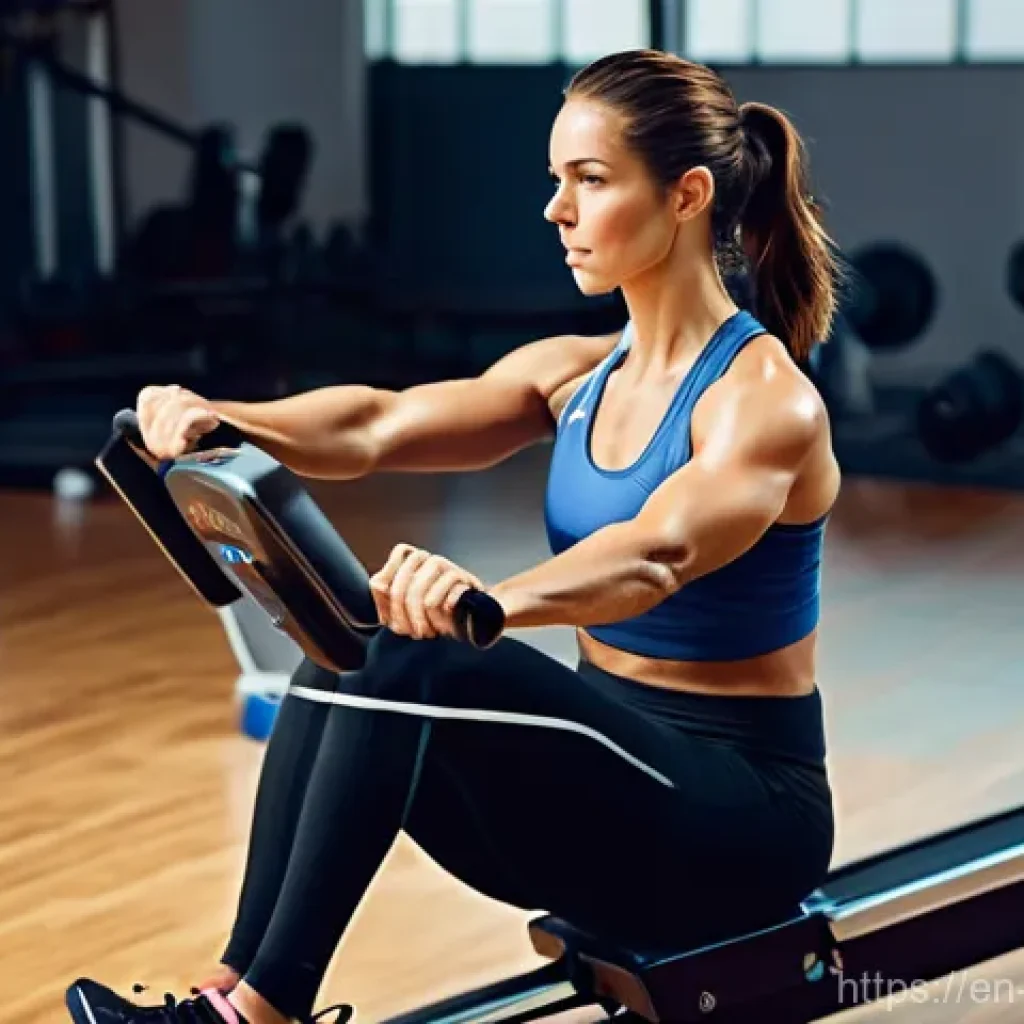
It’s not just a cardio machine, folks; it’s a full-body symphony where every major muscle group gets to play a starring role. When you execute that perfect stroke, you’re engaging your legs – think quads, hamstrings, glutes – in the powerful drive phase, pushing off with an incredible force that gets your heart pumping almost instantly.
Then, your core kicks in like a rock-solid foundation, stabilizing your torso and transferring all that power. And let’s not forget your upper body: your back muscles (lats, rhomboids), biceps, and even your shoulders are pulling their weight, literally, as you bring that handle towards your chest.
I remember the first time I really paid attention to how many muscles were firing, I was genuinely shocked. It was like a lightbulb went off, realizing this single machine could do the job of three or four others.
My energy levels have absolutely skyrocketed, and I feel a distinct improvement in my overall endurance that other workouts just couldn’t quite deliver.
It’s challenging, yes, but incredibly rewarding when you feel that coordinated effort.
Navigating the Waters: How to Pick Your Perfect Rowing Machine
Air, Water, Magnetic, or Hydraulic: Deciphering the Resistance Types
Space, Budget, and Bells & Whistles: What Really Matters?
Alright, so you’re convinced a rower is your next fitness obsession, but now you’re staring at a sea of options, right? Been there, done that, felt completely overwhelmed!
The biggest decision you’ll face is the type of resistance, and trust me, they all feel a little different. Air rowers, like the super popular Concept2, are fantastic because the resistance increases the harder you pull, mimicking real-world rowing.
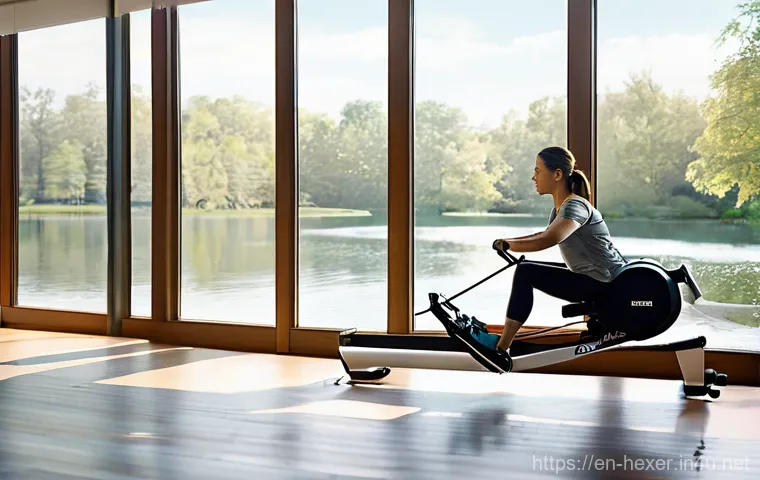
I love the smooth, consistent feel, but they can be a bit noisy. Water rowers are incredibly smooth and quiet, giving you that lovely swishing sound that’s surprisingly meditative – it’s like actually being on the water!
Magnetic rowers are often quieter and more compact, offering a consistent resistance that’s adjustable with a dial, which is great for apartment living.
Hydraulic piston rowers are usually the most budget-friendly and compact, but I’ve personally found their stroke isn’t quite as natural or fluid. When I was looking for my first machine, I initially went for a hydraulic one due to budget constraints, and while it got the job done, I quickly realized the investment in an air or water rower was worth it for the improved experience.
Beyond resistance, think about your space – do you need something foldable? And your budget, of course. Don’t forget to eye up those “bells and whistles” like advanced monitors, heart rate connectivity, or ergonomic handles; they can really enhance your experience and keep you motivated long-term.
| Resistance Type | Feel/Experience | Noise Level | Pros | Cons |
|---|---|---|---|---|
| Air Rowers | Mimics on-water rowing, resistance increases with effort | Moderate to Loud | Excellent for serious training, durable, consistent | Can be noisy, may be bulky |
| Water Rowers | Smooth, natural, like rowing on water | Quiet, soothing swish sound | Aesthetically pleasing, good full-body workout | Can be heavy when filled, usually pricier |
| Magnetic Rowers | Consistent, adjustable resistance | Quiet | Compact, often foldable, good for apartments | Resistance can feel less natural than air/water |
| Hydraulic Piston Rowers | Adjustable resistance via fluid in cylinders | Quiet | Most affordable, very compact | Less natural stroke, can feel jerky |
Beyond the Basics: Mastering Your Rowing Technique for Maximum Gains
The Perfect Stroke: Drive, Finish, Recovery, and Catch
Avoiding Common Pitfalls: Protecting Your Body While You Row
Okay, so you’ve got your rower, you’re excited, but then you sit down and it feels… awkward? Don’t worry, we’ve all been there!
Rowing isn’t just about pulling as hard as you can; it’s a precise, fluid motion that, once mastered, becomes incredibly efficient and powerful. I spent ages just mindlessly tugging away until I finally buckled down and watched some technique videos – game changer!
The stroke is broken down into four phases: The Catch, where you’re at the front, shins vertical, arms extended, ready to explode. Then comes the Drive, where your legs push back powerfully, followed by your core and then your arms.
The Finish is when your legs are extended, handle at your chest, leaning slightly back. Finally, the Recovery, where you reverse the movement – arms away, then body forward, then bend your knees to slide back to the Catch.
The biggest mistake I see (and definitely made myself!) is pulling with your arms too early in the drive, or hunching your back. This not only robs you of power but can seriously injure your back.
Always remember the mantra: “Legs, Core, Arms; Arms, Core, Legs.” Focus on keeping that core engaged, maintaining a straight back, and letting your legs do the lion’s share of the work.
It might feel slow at first, but trust me, good form will give you incredible results and keep you injury-free, allowing you to actually enjoy the process.
My Go-To Rowing Workouts: From Beginner to Beast Mode
Kickstarting Your Journey: Gentle Glides and Interval Blasts
Leveling Up: Challenging Workouts for Seasoned Rowers
Once you’ve got that technique down, the real fun begins: exploring different workouts! When I first started, I kept it super simple, focusing on longer, steady-state rows to build my endurance.
A great beginner workout I still love is a simple 20-30 minute session at a moderate pace, where you can comfortably hold a conversation. It’s perfect for building your aerobic base without feeling completely gassed.
But honestly, where I saw the most dramatic changes in my fitness was when I started incorporating interval training. Short bursts of intense rowing followed by periods of active recovery – talk about a metabolism booster!
My favorite beginner interval is 1 minute hard, 2 minutes easy, repeated 5-8 times. For those of you who’ve been rowing for a while and are ready to really push your limits, try a pyramid workout: start with a 1-minute sprint, recover for 1 minute, then 2-minute sprint, 2-minute recovery, up to 5 minutes, then back down.
It’s grueling, but the sense of accomplishment is just immense. I also love throwing in some power strokes (max effort for 10-15 strokes) during longer sessions to really challenge myself.
The beauty of rowing is its versatility; you can tailor your workouts to whatever your goals are, whether it’s building endurance, increasing power, or just getting a solid calorie burn.
The Unexpected Perks: Why Rowing Is More Than Just a Workout
Mental Grit and Stress Relief: The Mind-Body Connection
Low Impact, High Reward: Protecting Your Joints While You Train
You know, when I first jumped on a rower, I was purely focused on the physical benefits – burning calories, building muscle, you know, the usual stuff.
But what truly surprised me was the incredible mental boost I got from it. There’s something about the rhythmic motion, the focus required to maintain good form, and the sheer effort involved that just melts away stress.
I often find myself getting into a meditative flow state, where the outside world just fades away, and it’s just me and the machine. It’s an amazing way to clear my head after a long, stressful day.
Plus, the mental grit it builds is phenomenal. When you’re pushing through those last few strokes of an intense interval, you’re not just strengthening your body, you’re strengthening your willpower.
Another huge win for me, as someone who’s dealt with knee issues from high-impact activities, is that rowing is incredibly low-impact. It gives you a fantastic cardio and strength workout without pounding your joints.
My knees and back have never felt better, even after consistently challenging myself. It’s honestly a game-changer for anyone looking for a powerful workout that’s kind to their body, allowing them to stay active and fit for years to come without the aches and pains.
Smart Rowing, Smarter Savings: Maximizing Value and Longevity
Making Your Investment Last: Essential Maintenance Tips
Beyond the Purchase: Accessories That Enhance Your Rowing Experience
So, you’ve made the leap and invested in a fantastic rowing machine – awesome! Now, let’s talk about keeping that baby purring like a kitten for years to come.
I learned this the hard way with my first piece of gym equipment: neglect leads to squeaks, groans, and ultimately, a very expensive coat rack. The good news is, rowing machines are generally pretty low-maintenance.
The key is consistency, not just in your workouts, but in your cleaning routine! For air and magnetic rowers, a quick wipe-down after each use to prevent sweat corrosion is crucial.
Periodically vacuuming around the flywheel or magnetic housing will keep dust and debris from affecting performance. If you have a water rower, you’ll want to add a purification tablet to the tank every few months to prevent algae buildup – trust me, you don’t want to deal with green gunk in your tank!
And always, always check for loose bolts or screws every so often. A little proactive care goes a long way in preventing bigger problems down the line and ensures you get the most out of your investment.
Beyond maintenance, consider some accessories to elevate your experience. A comfy seat pad can make longer sessions much more enjoyable, especially for those of us who aren’t built for rock-hard seats.
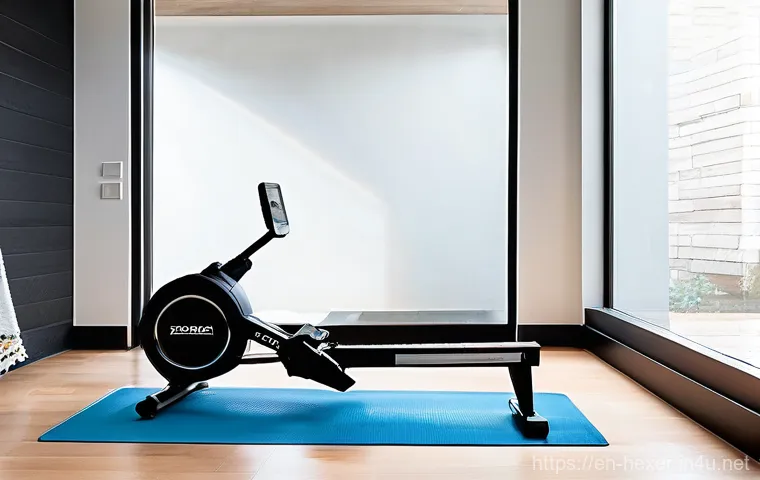
A heart rate monitor is invaluable for tracking your effort and optimizing your training zones. And if you’re placing your rower on a hard floor, a floor mat will protect your flooring and absorb some of the sound.
These small additions can truly transform your rowing journey from good to absolutely fantastic, keeping you motivated and comfortable as you chase those fitness goals!
Wrapping Things Up
And there you have it, folks! My journey with the rowing machine has been nothing short of transformative, and I genuinely believe it can be for you too. It’s more than just a piece of fitness equipment; it’s a commitment to a stronger, more resilient you, both physically and mentally. I’ve personally experienced the incredible full-body workout it delivers, the surprising stress relief it offers, and the joy of finding a low-impact way to challenge myself daily. So, if you’ve been on the fence, I hope my insights have given you the nudge you needed to dive into the wonderful world of rowing. Trust me, your body and mind will thank you for it!
Handy Tips to Keep in Mind
1. Don’t rush into it! When you first start, prioritize mastering your technique over speed or distance. A few minutes of perfect strokes are far more beneficial than a long, sloppy session that could lead to injury. I still warm up with a focus on form, even after years of rowing. It pays off big time in the long run.
2. Listen to your body – seriously. If something feels off, adjust your form or take a break. Overdoing it too soon is a surefire way to get discouraged or worse, sidelined with an injury. Your progress will be more consistent and sustainable if you respect your body’s limits.
3. Mix up your workouts! Steady-state rows are fantastic for endurance, but don’t forget to throw in some high-intensity intervals or pyramid challenges. This not only keeps things exciting but also pushes your cardiovascular and muscular systems in different ways, leading to faster results and preventing plateaus.
4. Regular cleaning and maintenance are non-negotiable. It might seem tedious, but wiping down your machine after each use and performing periodic checks (like tightening bolts or adding purification tablets to water tanks) will extend its lifespan significantly. Think of it as caring for a loyal friend that supports your fitness goals.
5. Set small, achievable goals. Whether it’s rowing an extra 100 meters, shaving a few seconds off your split time, or simply committing to three sessions a week, celebrate every win. Your fitness journey is personal, and progress, no matter how small, is still progress!
Essential Points to Remember
From my personal experience, integrating a rowing machine into my fitness routine has been one of the best decisions I’ve made. It truly stands out as a unique full-body workout, engaging a remarkable eighty-five percent of your muscles, from the powerful push of your legs to the controlled pull of your arms and the steadfast stability of your core. This comprehensive engagement means you’re not just getting a killer cardio session; you’re building serious strength and endurance across your entire body, all while being incredibly kind to your joints due to its low-impact nature. When you’re ready to make a purchase, remember that choosing the right resistance type – be it air, water, or magnetic – is crucial for finding the perfect feel and fit for your home and personal preferences. But regardless of the machine, mastering the proper stroke technique (legs, core, arms on the drive; arms, core, legs on the recovery) is paramount for maximizing your power, preventing potential injuries, and ensuring every single stroke is as effective as possible. Beyond the physical, I’ve found that the rhythmic, focused movement on the rower is an unparalleled stress reliever, offering a mental escape and building incredible grit. Keep up with consistent maintenance, and don’t hesitate to add useful accessories like a comfortable seat pad or heart rate monitor. These small investments can significantly elevate your overall rowing experience, keeping you motivated and comfortable as you navigate your path to a healthier, stronger you.
Frequently Asked Questions (FAQ) 📖
Q: Is a rowing machine really a full-body workout, or is it just another cardio fad I’ll get bored with?
A: Oh, my friend, let me tell you, it’s absolutely, positively not just a cardio fad! I totally get why you might think that because of how amazing it is for your heart and lungs, but honestly, it’s a phenomenal full-body sculptor.
When I first started, I was genuinely surprised by how much I felt it everywhere. Think about it: every single stroke engages your legs (pushing off the foot stretcher – that’s some serious quad and glute power!), your core (hello, stabilizers, keeping you upright and powerful), and your upper body (pulling that handle back works your back, shoulders, and arms like crazy!).
It’s a beautiful symphony of muscle groups working together, making it incredibly efficient. You’ll seriously feel it in muscles you didn’t even know you had, and that’s coming from someone who thought they’d tried every workout under the sun!
Q: I’m always pressed for time, and frankly, a bit intimidated by new equipment. Can a rowing machine genuinely deliver great results efficiently, and is it beginner-friendly?
A: You are singing my song! Time is gold, isn’t it? And jumping onto new gear can definitely feel like a leap of faith.
But here’s the magic of the rowing machine: it’s one of the most time-efficient workouts you can do. Because it’s engaging so many muscle groups simultaneously, you’re getting both a strength workout and a high-intensity cardio session all at once.
I’ve personally found that a solid 20-30 minute row can leave me feeling just as accomplished and energized as a much longer session on other machines.
For beginners, it’s incredibly welcoming! The movement might feel a bit awkward at first, but it’s surprisingly intuitive. Most machines come with clear instructions, and there are tons of fantastic online tutorials that walk you through the proper form.
Trust me, once you get the rhythm down, you’ll be gliding along, building endurance and strength without feeling overwhelmed. It’s all about finding your pace, and the beauty is, a rower lets you do just that.
Q: There are so many different rowing machines out there – air, water, magnetic! How do I even begin to choose the right one for my home gym without making a costly mistake?
A: Ah, the million-dollar question! It’s true, walking into a store or browsing online, the options can feel a bit overwhelming, but don’t fret! From my own experience and after trying a few different types, the “best” one really boils down to your personal preferences and what you prioritize.
Air Rowers: These are often favored by serious athletes because they mimic the feel of rowing on water, providing resistance based on how hard you pull.
They can be a bit louder, but the smooth, progressive resistance is fantastic. Think of brands like Concept2 – they’re a classic for a reason! Water Rowers: If you love the serene sound and feel of water, this is your jam.
They use a flywheel in a tank of water for resistance, offering a very natural, smooth stroke. They tend to be quieter than air rowers and look pretty sleek too.
I know people who swear by them for the immersive experience. Magnetic Rowers: These are usually the quietest option, making them perfect for apartment dwellers or if you like to watch TV while you row.
The resistance is set electronically or manually. While they might not perfectly replicate the on-water feel, they offer a consistent, smooth workout and are often more compact.
When I was choosing mine, I thought about space, noise (my family appreciates a quieter workout!), and my budget. I’d recommend trying to demo a few if you can, or at least watching some detailed reviews to get a feel for the different experiences.
You really can’t go wrong as long as it feels comfortable and motivates you to get on it regularly!