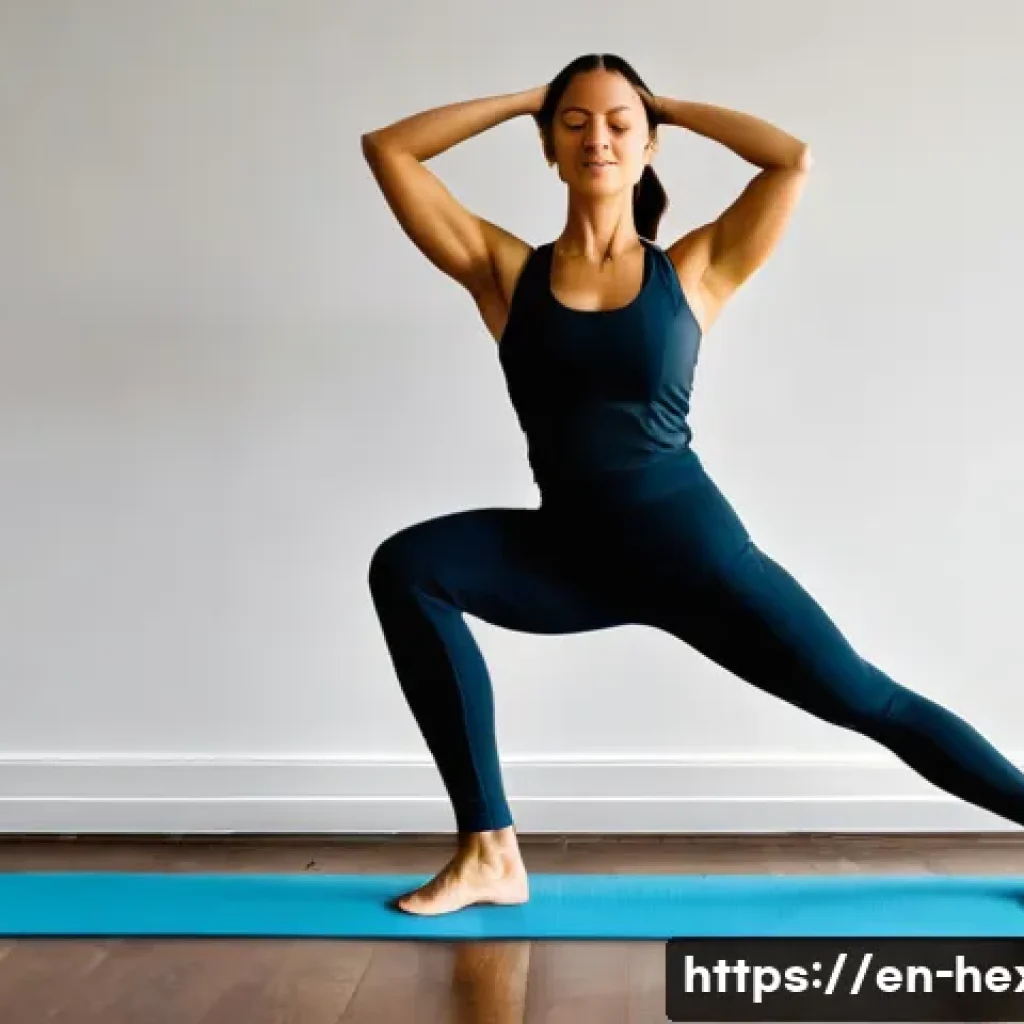
Stepping onto my yoga mat each morning feels like a mini-retreat, a sacred time I carve out just for myself. I used to think of props as something only beginners needed, or worse, as a crutch, until I truly embraced the game-changing power of yoga blocks.
What I’ve learned firsthand is that these simple tools aren’t just for reaching the floor; they can absolutely transform your practice, whether you’re working on a challenging pose, deepening a stretch, or simply seeking more stability and comfort in your flow.
In today’s bustling world, where more of us are practicing yoga at home and seeking accessible, eco-conscious ways to stay balanced, finding the right gear that truly elevates your experience is more important than ever.
I’ve personally felt the incredible difference proper support makes, not just in my physical alignment, but in allowing my mind to relax deeper into each posture, turning frustration into blissful ease.
Plus, with so many amazing sustainable options out there now, like my favorite cork blocks, you can feel good about your choices too. Trust me, if you’re looking to unlock new depths in your poses, reduce strain, and truly make your yoga practice your own, you’re in for a wonderful surprise.
Below, let’s explore how these versatile blocks can revolutionize your time on the mat and uncover some fantastic recommendations.
Elevating Your Practice: More Than Just an Extension
Bridging the Gap: When the Floor Feels Miles Away
You know that feeling, right? You’re in a forward fold, reaching, stretching, but the floor just seems perpetually out of reach. For the longest time, I’d either strain my hamstrings trying to force it or just give up, feeling a pang of frustration. That’s exactly where my journey with yoga blocks truly began. I used to think of them as a crutch, something only beginners needed. Oh, how wrong I was! When I finally allowed myself to grab a block and place it under my hands, a whole new world opened up. It wasn’t about “cheating” the pose; it was about meeting my body where it was that day. Suddenly, my spine could lengthen, my shoulders could relax, and I could actually breathe into the stretch instead of just holding my breath and tensing up. It completely transformed my Half-Moon pose – what was once a wobbly, disheartening struggle became a graceful dance of balance and extension. It truly makes all the difference.
The Subtle Art of Self-Adjustment
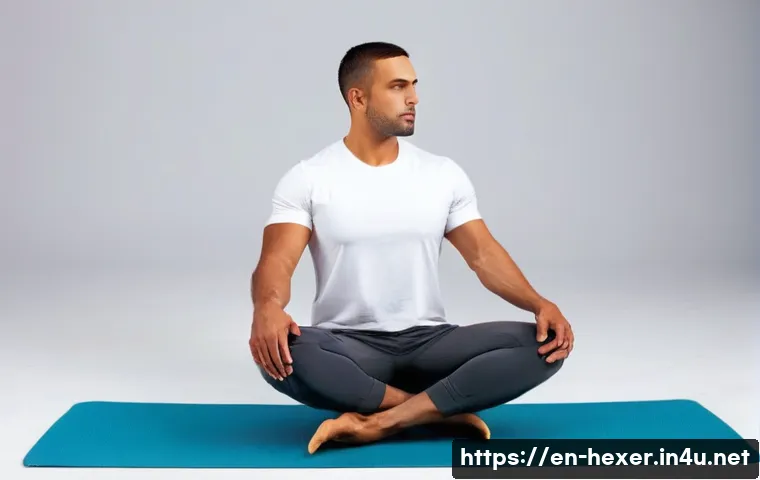
Beyond simply bringing the floor closer, blocks offer an incredible tool for fine-tuning your alignment. I remember struggling with seated twists, always feeling like one hip was lifting off the mat, making the twist uneven and uncomfortable. My teacher suggested sitting on a block, and honestly, it felt revolutionary. Elevating my hips just a couple of inches instantly allowed my pelvis to become more neutral, enabling a deeper, safer twist that truly originated from my core rather than my lower back. This kind of subtle adjustment, made possible by a simple block, empowers you to explore the pose from a place of stability and integrity. It’s like having a silent, supportive coach right there on your mat, guiding you into a more beneficial and comfortable expression of each posture. Trust me, once you start feeling these nuanced improvements, you’ll wonder how you ever practiced without them.
Building a Rock-Solid Foundation: Stability You Can Trust
Grounding Yourself in Standing Poses
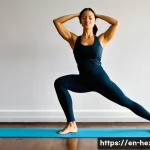
Standing poses are the backbone of so many yoga practices, and finding that perfect blend of strength and ease can be tricky. I used to find myself wobbling in poses like Triangle or Extended Side Angle, my hand hovering awkwardly or straining to reach the floor. It felt like I was constantly fighting for balance, which took away from the meditative quality of the practice. Introducing a block under my hand in these poses completely changed the game. Instead of collapsing or reaching too far, I could press firmly into the block, creating a stable base. This newfound stability didn’t just help my balance; it allowed me to engage my core more effectively, open my chest, and truly lengthen through my side body. It’s a wonderful feeling to feel so grounded, giving me the freedom to explore the posture’s full potential without fear of toppling over. It honestly feels like having roots extending deep into the earth, even when I’m reaching for the sky.
Finding Balance in Tricky Transitions
Flowing gracefully from one pose to the next is what makes vinyasa yoga so beautiful, but let’s be real, some transitions are just plain challenging! Think about moving from a standing forward fold into a lunge, or from Warrior III into Half Moon. There’s a moment of weightlessness, a tiny window where you could easily lose your footing. I’ve found that strategically placing a block or two can act as incredibly helpful markers and supports during these trickier moments. For instance, when transitioning into Half Moon, having a block ready under your hand before you even lift your back leg provides an instant point of contact and stability. This isn’t about making the pose easier in a detrimental way; it’s about building confidence and muscle memory safely. It reduces the “fear of falling,” which is a huge mental block for many, allowing you to focus on the movement itself and eventually find that effortless grace without needing the block. It’s truly about empowering your journey, step by step, or in this case, transition by transition.
Unlocking Deeper Stretches and Safer Alignment
Gently Expanding Your Range of Motion
We all have those areas that feel perpetually tight, don’t we? For me, it’s always been my hips and hamstrings. I used to push hard into stretches, thinking that force would create flexibility, but it often just led to discomfort and even minor strains. What I’ve learned through years of practice, and especially with the help of blocks, is that gentle, supported stretching is far more effective and sustainable. Take a simple seated forward fold, for example. Instead of trying to touch my toes and rounding my back, I place a block on its lowest or medium height under my forehead. This support allows my head and neck to relax, which in turn encourages my entire spine to lengthen and my hamstrings to release more deeply. It’s like a gentle invitation for my body to open up, rather than a forceful demand. This subtle shift makes a world of difference, allowing me to stay in the pose longer, breathe more deeply, and truly feel the stretch without any sharp, unpleasant sensations. It’s a game-changer for anyone looking to increase their flexibility safely.
Protecting Your Joints, Enhancing Your Form
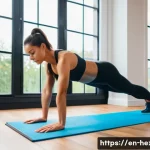
Good alignment is absolutely crucial not just for getting the most out of a pose, but also for protecting your body long-term. Blocks are unsung heroes when it comes to safeguarding your joints and ensuring your form is spot-on. I’ve seen so many people, myself included in my early days, compromise their knees in poses like Pigeon or their wrists in tabletop variations. By placing a block under a hip in Pigeon, you can often alleviate pressure on the knee, allowing for a deeper, safer external hip rotation. Similarly, for those with wrist sensitivity, using two blocks under your hands in Plank or Downward Dog can create a more neutral wrist position, easing discomfort and allowing you to hold the pose longer and build strength without pain. These simple adjustments aren’t about making the pose easier; they’re about making it *accessible* and *beneficial* for your unique body, ensuring you’re building strength and flexibility in a way that truly serves your well-being, not just pushing through discomfort.
Conquering Those “Impossible” Poses with Confidence
From Warrior III to Half Moon: Support for Every Level
There are always those poses that feel a little intimidating, aren’t there? The ones you see people doing effortlessly and think, “I’ll never get there!” For me, it was always Warrior III, that elusive balance between strength and extension. My hips would never stay level, and my back leg felt like a dead weight. Then, a teacher suggested placing a block under my hands, just as a temporary support. And wow, what a revelation! It gave me the stability I needed to actually *feel* the engagement in my core and glutes, allowing me to focus on lengthening my spine and extending my leg straight back. It wasn’t about holding onto the block forever, but about using it as a stepping stone. Once I understood the internal mechanics of the pose with the block’s help, I gradually started needing it less and less. It’s truly amazing how a little external support can build so much internal confidence. It’s like having a helping hand on a tricky climb – it doesn’t do the work for you, but it sure makes the journey feel a lot more achievable.
The Mental Shift: Embracing Progress, Not Perfection
Let’s be honest, yoga can sometimes feel like a competition, even if it’s just with yourself. We see images of perfect poses and unconsciously strive for them, often leading to frustration when our bodies don’t quite cooperate. Blocks, for me, have been instrumental in shifting my mindset from perfection to progress. When I use a block, I’m not admitting defeat; I’m acknowledging where I am today and giving my body the kindness and support it needs. This acceptance itself is a huge part of the yoga journey. It takes the pressure off, allowing me to explore a pose without judgment. I remember trying Crow Pose for ages, terrified of falling on my face. By placing a block under my head initially, it reduced the fear factor and let me experience the feeling of lifting my feet off the ground, even for a second. That small victory, made possible by the block, built the mental resilience I needed to eventually find my full Crow. It teaches you that every step, no matter how small or supported, is a valid and valuable part of your growth on the mat.
My Personal Picks: Choosing the Right Block for Your Journey
Material Matters: Cork, Foam, or Wood?
If you’ve ever stepped into a yoga studio or browsed online, you’ll quickly realize that yoga blocks aren’t a one-size-fits-all deal. The material really makes a difference, and I’ve tried them all! My first blocks were foam – they’re super lightweight and soft, which is great if you need something gentle for restorative poses or if you travel a lot. They’re also usually the most budget-friendly option. However, I found them a bit too squishy for really stable, weight-bearing poses. Then I moved on to cork. Oh, cork! These are my absolute favorites, and what I mostly use now. They offer incredible stability, a wonderful grip that feels natural, and they’re eco-friendly, which is a huge plus for me. They’re heavier than foam but lighter than wood, making them a fantastic all-rounder. Wooden blocks are beautiful and incredibly sturdy, providing the most unyielding support. They’re fantastic for hot yoga because they don’t absorb sweat like foam, but they can be a bit heavy and hard, which some people find less comfortable for lying on or for very gentle stretches. It really depends on what your personal practice needs most.
Size and Shape: Finding Your Perfect Fit
Just like materials, block sizes can vary, and finding your perfect fit can make a big difference in how effective they are for you. Most standard blocks are around 9x6x4 inches, but you can find slimmer ones, wider ones, and even some with slightly rounded edges. For me, the standard size works wonderfully for most applications, offering three different heights just by rotating it. However, if you have particularly long arms, or a less flexible torso, you might benefit from a slightly larger block to ensure you don’t overreach. Conversely, if you have smaller hands or prefer a more subtle lift, a slightly slimmer block might feel more comfortable. I’ve even seen some half-round blocks, which are fantastic for supporting the natural curve of your spine in restorative poses or for providing a gentle wedge. Don’t be afraid to experiment! What works for one person might not be ideal for another, and that’s perfectly okay. It’s all about finding tools that enhance *your* unique yoga journey. Here’s a quick overview of block materials to help you decide:
| Material | Pros | Cons | Best For |
|---|---|---|---|
| Foam | Lightweight, soft, inexpensive, portable | Less stable, can compress over time, less eco-friendly | Beginners, travel, gentle support, restorative yoga |
| Cork | Excellent grip, firm, sustainable, durable, good stability | Heavier than foam, slightly more expensive, can be a bit coarse | All-around use, hot yoga, balancing poses, strong support |
| Wood | Extremely stable, very durable, elegant aesthetic | Heaviest, hardest surface, most expensive, less versatile for comfort | Advanced practitioners, strong support, specific alignment needs |
Creative Ways to Integrate Blocks into Your Daily Flow
Desk Stretch Breaks and Everyday Relief
Who says yoga blocks are just for your mat? I’ve discovered so many wonderful ways to incorporate them into my daily life, especially now that so much of my work happens at my desk. If you spend hours sitting, like I do, you know that stiffness can creep in. I often keep a block under my desk and use it for a quick, mid-day stretch. Placing it between my thighs can help engage my inner legs and maintain better posture, subtly strengthening my core while I type. Or, for a quick shoulder and chest opener, I’ll place it on its lowest height behind my upper back while leaning against my chair, allowing a gentle arch that feels incredibly relieving. You can even use it for a mini foot massage by rolling your foot over it! These small, mindful breaks, aided by a simple block, can make a huge difference in how I feel physically and mentally throughout my workday. It’s about making wellness accessible, even when you’re not in your activewear.
Building Your Home Yoga Sanctuary
Creating a dedicated space for your yoga practice, even a small corner, can really enhance your consistency and overall experience. Blocks play a surprisingly vital role in making that space truly functional and inspiring. Beyond their use in poses, I use my cork blocks as mini pedestals for small plants or candles to create a calming ambiance. They can also be stacked neatly to keep your space tidy, or even used as a makeshift seat for meditation if you don’t have a cushion. I’ve personally found that having my blocks easily accessible and integrated into my practice area makes me more likely to use them. It’s not just about the physical object; it’s about the intention and the energy they bring to my practice. They serve as a constant, gentle reminder to pause, breathe, and give myself a moment of stillness or movement. It’s amazing how these simple tools can not only support your body but also help curate a peaceful, inspiring environment.
Transforming Your Restorative Practice: Comfort and Calm
Unwinding with Supported Poses
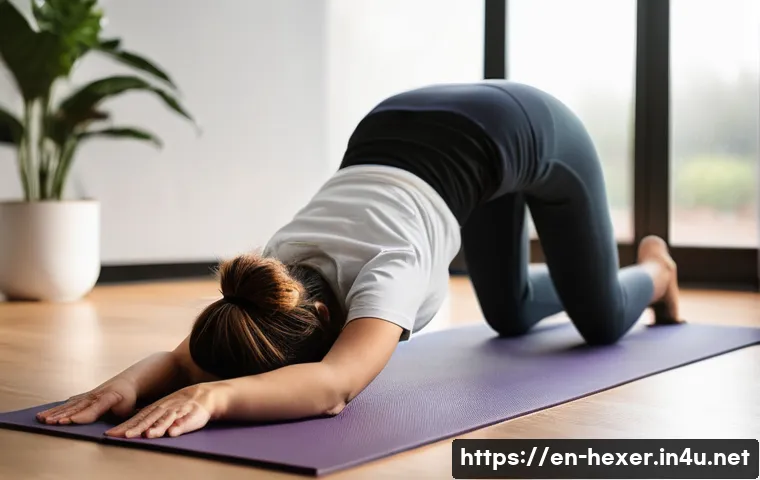
Restorative yoga is all about deep relaxation and gentle release, and honestly, blocks are absolutely indispensable for unlocking its full potential. I used to think restorative poses were just about lying on the floor, but oh, the magic that happens when you introduce intelligent support! One of my favorite ways to use blocks for unwinding is in Supported Child’s Pose. Instead of just folding forward, I place a block on its lowest or medium height under my forehead, allowing my neck to completely relax. Sometimes, I’ll even stack two blocks under my chest and forehead for an even greater sense of surrender. This small adjustment takes all the strain out of the pose, allowing my nervous system to truly downshift. It’s like my body sighs in relief. Another beloved pose is Supported Supta Baddha Konasana (Reclined Bound Angle Pose), where I place a block under each knee. This gentle lift alleviates any pulling sensation in the inner thighs or hips, allowing me to fully open and release tension without any discomfort. It truly feels like being cradled, inviting a profound sense of peace and stillness.
Deepening Relaxation: The Art of Letting Go
The whole point of a restorative practice is to encourage your body to let go, to release muscular tension, and to calm the mind. Blocks are incredibly effective tools for facilitating this process. Think about a simple legs-up-the-wall pose. Placing a block under your sacrum (the flat bone at the base of your spine) elevates your hips just enough to create an inversion effect that’s wonderfully soothing for the legs and circulatory system, without requiring any effort from your core. It feels incredibly supportive, allowing gravity to do its work. I’ve also found them amazing for a gentle chest opener: placing a block lengthwise along my spine, just below my shoulder blades, and letting my head rest on another block or the floor. This creates a subtle backbend that helps release tension from prolonged sitting and opens up the heart space. These supported postures, facilitated by blocks, invite a level of physical ease that translates directly into mental calm. It’s an invitation to truly soften, breathe, and just *be*, without any effort or striving. It’s a beautiful way to end a busy day or simply give yourself a much-needed moment of therapeutic rest.
글을 마치며
So there you have it, my friends! Yoga blocks are truly so much more than just simple props. They’re a gateway to deeper poses, enhanced stability, and a more compassionate practice. I genuinely believe that once you embrace them, you’ll wonder how you ever practiced without these versatile companions. They’ve transformed my own journey, allowing me to explore poses I once thought impossible and to find comfort in moments where I used to struggle. Don’t hesitate to invite them into your practice – your body, and your mind, will absolutely thank you for it.
알아두면 쓸모 있는 정보
1. Keep ‘Em Clean: After a particularly sweaty session, especially if you’re using cork or foam, give your blocks a quick wipe down. For cork, a damp cloth with a tiny bit of mild soap or even a spritz of diluted essential oil (like tea tree for its antibacterial properties) works wonders to keep them fresh. Foam blocks are even easier – a simple damp cloth will do the trick! Just make sure they’re completely dry before you store them away to prevent any funky smells or mildew.
2. Two’s Company: If you’re serious about integrating blocks, I highly recommend investing in a pair rather than just one. Many supported inversions, symmetrical stretches like Supported Supta Baddha Konasana (Reclined Bound Angle Pose), or even just finding equal height for your hands in Triangle Pose, are so much more effective and comfortable with two blocks. It unlocks a whole new dimension of support and balance in your practice, trust me!
3. Beyond the Mat Exploration: Don’t limit your block usage to just the poses you already know. There are incredible resources out there! Hop onto YouTube or explore your favorite yoga app; many teachers create entire sequences dedicated to using blocks for specific purposes, like deep hip opening, shoulder mobility, or even restorative practices. Search for “yoga with blocks for tight hamstrings” or “block variations for inversions” to discover some fantastic new inspiration.
4. Listen to Your Body (and Your Teacher): While blocks are fantastic tools, remember they’re there to support and enhance, not to force. Always listen to your body’s unique wisdom each day. Some days you might need more support, other days less. If you’re in a class, never hesitate to ask your instructor for guidance on how to best integrate blocks for your specific needs or modifications. They’re there to help you practice safely and effectively!
5. Multi-Purpose Magic: As I’ve hinted throughout, these blocks are far more than just yoga props. I often use mine as a comfortable meditation cushion, a supportive footrest under my desk during long work hours, or even as a gentle prop for quick stretches during my coffee break. Get creative! Think about how a little elevation or support could make your daily life a bit more comfortable and aligned. They’re truly the unsung heroes of holistic wellness.
중요 사항 정리
Alright, let’s distill all that goodness into a few key takeaways you absolutely need to remember. First and foremost, yoga blocks are for *everyone* – from the absolute beginner finding their footing to the seasoned yogi looking to deepen their practice. They are not a crutch; they are a powerful tool for intelligent self-adjustment and exploration. Remember how they can dramatically improve your alignment, provide crucial stability in challenging poses, and unlock deeper, safer stretches that might otherwise feel inaccessible. By using blocks, you’re not just making poses “easier”; you’re making them more beneficial, protecting your joints, and fostering a profound sense of confidence. They invite a unique blend of support and challenge, helping you to connect more intimately with your body’s capabilities. Whether you’re seeking grounding, flexibility, or pure relaxation in your restorative practice, blocks empower you to personalize your journey and truly make each pose your own. Embrace them, experiment with them, and watch as your yoga practice flourishes in ways you never imagined.
Frequently Asked Questions (FAQ) 📖
Q: I’ve heard yoga blocks are mostly for beginners or people who aren’t flexible. Is that really true, or can they benefit everyone?
A: Oh, I totally get where you’re coming from! For the longest time, I had that exact same thought – that blocks were just a stepping stone for newbies or those of us still working on touching our toes.
But let me tell you, from my own mat experience, that couldn’t be further from the truth! Blocks are absolute game-changers for everyone, regardless of your flexibility or how long you’ve been practicing.
Think of them less as a crutch and more as a clever extension of your body, or even a wise, silent teacher. They can provide crucial support in challenging balances, allowing you to find stability you didn’t know you had.
For those deeper stretches, they help you maintain proper alignment, which is key to preventing injury and truly opening up. I’ve personally found them invaluable for exploring advanced poses safely, giving me that extra bit of height or leverage to really feel the pose in my body without strain.
They literally transform a wobbly, frustrating pose into one that feels grounded, expansive, and deeply nourishing. So, yes, beginners will love them for accessibility, but seasoned yogis will find new depths and refinements in their practice, too.
They’re a true universal tool for growth on the mat!
Q: With so many types out there, how do I pick the right yoga block for me? What should I look for?
A: This is such a fantastic question, and one I wrestled with myself when I first started building my home practice! Walking into a yoga store or browsing online can feel a bit overwhelming with all the choices, right?
From my personal experience, the “right” block really comes down to a mix of what feels good in your hands, what you value in terms of sustainability, and how you typically practice.
I’ve tried a few different materials, and here’s my take: Foam blocks are usually the most budget-friendly and super lightweight, making them great for travel or if you’re just starting out and want a softer feel.
However, they can sometimes feel a bit squishy under heavy pressure, and they don’t always last as long. My personal favorites, and what I usually recommend, are cork blocks.
They’re incredibly sturdy, offer fantastic grip, and feel wonderfully grounded. Plus, knowing they’re a sustainable option just makes me feel good about my purchase.
They’re a bit heavier than foam, but for me, that just adds to their stability. Then there are wooden blocks, which are incredibly durable and offer ultimate firmness, but they can be a bit harder on the wrists and heavier to carry around.
I’d suggest starting with a pair of medium-sized cork blocks – they strike a beautiful balance of support, stability, and eco-friendliness. Feel them in your hands if you can, and trust your gut!
Q: Okay, I’m convinced! But beyond just reaching the floor, what are some creative or advanced ways I can actually use blocks to truly elevate my practice?
A: Wonderful! You’re about to unlock a whole new dimension of your practice, trust me. Beyond the obvious “bringing the floor closer” in poses like Triangle or Half Moon, blocks are incredibly versatile.
I’ve discovered so many creative ways to use them, and they’ve truly become indispensable. For deepening stretches, try placing a block under your hands in a forward fold, but instead of just resting, actively press into the block to lengthen your spine even more.
Or, in a seated wide-legged forward fold, place a block under your forehead for incredible support and a deeper sense of relaxation – it’s pure bliss!
For balance, blocks are phenomenal. Try standing on one in Tree Pose for an added challenge, or place one between your thighs in Chair Pose and squeeze it to engage your inner thighs like never before.
I also love using them for restorative poses; sliding one under your sacrum for a supported bridge pose can release so much tension in your lower back.
You can even use them for gentle inversions, like placing one under your hips in Legs Up The Wall. And here’s a pro tip I swear by: try placing a block flat against the wall, then pressing your hand into it during poses like Warrior III to really fire up your arm and shoulder engagement.
The possibilities are truly endless once you start experimenting!