Resistance band workouts have surged in popularity thanks to their versatility and effectiveness for all fitness levels. These portable tools allow you to target various muscle groups, improve strength, and enhance flexibility without the need for bulky equipment.

Whether you’re a beginner or an experienced athlete, resistance bands can add a fresh challenge to your routine. Plus, they’re perfect for home workouts, travel, or even quick sessions at the office.
Curious about how they work and what benefits you can expect? Let’s dive deeper and uncover the full potential of resistance band training!
Unlocking Muscle Activation with Bands
How Resistance Bands Enhance Muscle Engagement
When I first incorporated resistance bands into my routine, I was surprised by how much more I felt my muscles working compared to traditional weights.
The continuous tension that bands provide means your muscles are engaged throughout the entire movement, not just at the peak contraction like with dumbbells.
This constant resistance forces your muscles to stabilize and work harder, promoting greater muscle activation and endurance. Plus, because the bands stretch, they challenge your muscles differently depending on how far you pull, allowing for a dynamic range of motion that’s often missing in fixed-weight training.
The Science Behind Progressive Resistance
One of the coolest things about resistance bands is how they naturally offer progressive resistance. Unlike free weights that have a fixed load, bands increase tension as you stretch them further.
This means your muscles meet gradually increasing resistance during the exercise, effectively mimicking the natural strength curve of your body. From personal experience, this makes movements feel smoother and less jarring, reducing strain on joints while still delivering a solid workout.
It’s a fantastic way to build strength safely, especially for people recovering from injuries or those new to strength training.
Targeting Multiple Muscle Groups Simultaneously
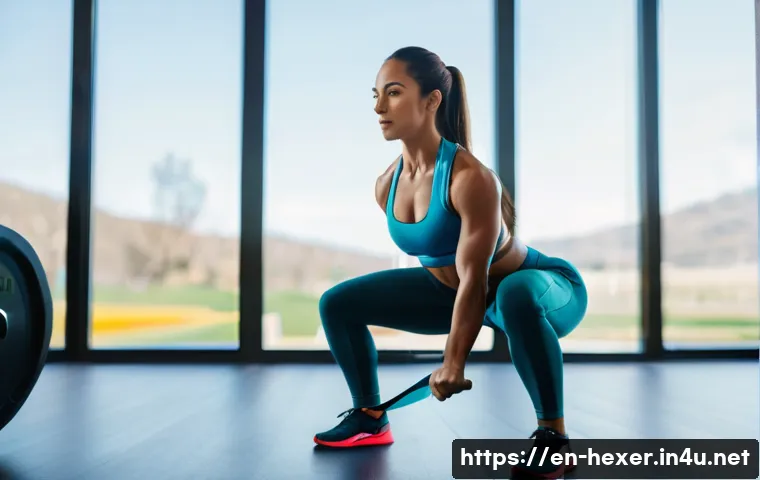
What I really enjoy about resistance bands is how versatile they are in activating several muscle groups at once. For example, a banded squat not only works your quads and glutes but also engages your core and even your upper back depending on how you hold the band.
This multi-joint activation leads to better functional strength and coordination. Over time, I noticed improved balance and posture, which I attribute to these compound movements with bands that require your body to work in harmony rather than isolating muscles.
Customizing Your Workout Intensity
Choosing the Right Band Tension for Your Goals
Selecting the appropriate resistance level is crucial for getting the most out of your workouts. Bands typically come in color-coded tensions ranging from light to heavy.
When I started, I experimented with lighter bands for warm-ups and mobility exercises, then moved to medium and heavy bands for strength-building. It’s important to listen to your body and adjust accordingly; if you can easily perform more than 15 reps, it’s time to increase the resistance.
Conversely, if your form breaks down, dropping to a lighter band helps maintain proper technique and prevent injury.
Adjusting Reps, Sets, and Band Length
Another way to customize intensity is by tweaking your rep and set schemes or changing how you hold the band. For instance, shortening the band by grabbing closer to the anchor point increases resistance without changing the band itself.
When I did this for my shoulder exercises, the burn was noticeably different — more intense and focused. Playing with reps and sets also helps; higher reps with lighter bands improve endurance, while lower reps with heavy bands build muscle strength.
This flexibility is why bands work well for all fitness levels.
Incorporating Bands into Circuit Training
If you’re into high-intensity interval training or circuits, bands are a fantastic addition to keep your heart rate up while building strength. I like to mix band exercises like resisted squats, rows, and chest presses with cardio moves like jumping jacks or mountain climbers.
This combo not only saves time but also boosts calorie burn and muscle tone simultaneously. Plus, bands are portable and quiet, making them perfect for quick sessions anywhere — whether at home, the gym, or while traveling.
Improving Flexibility and Mobility
Stretching Benefits Enhanced by Bands
Resistance bands aren’t just for strength; they’re great tools for improving flexibility too. Using bands to assist stretches helps you gradually deepen your range of motion without forcing it.
I found that banded hamstring stretches allowed me to hold tension comfortably while gently increasing flexibility over time. This is especially helpful for people who feel tight or stiff after long hours of sitting or intense training sessions.
Dynamic Warm-Ups with Bands
Incorporating bands into your warm-up routine can prepare your muscles and joints more effectively for the workout ahead. Dynamic band exercises like lateral walks or banded leg swings activate key muscles and improve blood flow.
From my experience, this approach reduces muscle soreness and injury risk, making the main workout feel smoother. Plus, it’s a quick and easy way to wake up your nervous system and get into the right mindset.
Rehabilitation and Recovery Uses
Physical therapists often recommend bands for injury rehab because they allow controlled, low-impact movements. I’ve personally used bands during recovery phases to regain strength in my shoulder without aggravating pain.
The adjustable resistance makes it easy to progress safely, and the band’s elasticity supports joint movement while preventing overstretching. This gentle yet effective approach speeds up recovery and helps maintain muscle tone during downtime.
Convenience and Portability for Every Lifestyle
Why Bands Are Ideal for Busy Schedules
One of the biggest draws of resistance bands for me has been their convenience. They’re lightweight, take up almost no space, and can be used anywhere — in a hotel room, at the office, or even outdoors.
For busy folks juggling work and family, this means you don’t need a gym membership or bulky equipment to squeeze in an effective workout. Just a few minutes with a band can yield solid results, making consistency easier to maintain.
Travel-Friendly Fitness Solutions
Traveling often disrupts workout routines, but bands eliminate that problem entirely. I always pack a set when I hit the road, and it’s been a game-changer.
Whether in cramped hotel rooms or parks, I can keep my fitness goals on track without relying on unfamiliar gym equipment. Bands also help combat stiffness from long flights by facilitating quick mobility exercises, which keeps me feeling fresh and energized.

Space-Saving Home Workouts
For those with limited space at home, resistance bands provide a full-body workout option without clutter. Unlike dumbbells or machines, bands can be stored in a drawer or hung on a hook.
I’ve set up a mini workout corner with just a few bands and a mat, which motivates me to train regularly without feeling overwhelmed by bulky gear. It’s a practical solution for apartment dwellers or anyone looking to keep their living space tidy.
Optimizing Resistance Band Training Results
Combining Bands with Other Equipment
To maximize gains, I’ve found mixing bands with free weights or bodyweight exercises works wonders. For example, pairing banded glute bridges with weighted hip thrusts intensifies activation and builds stronger muscles.
This hybrid approach keeps workouts fresh and challenges muscles in multiple ways, preventing plateaus. It also allows you to tailor sessions based on your specific goals and available equipment.
Tracking Progress with Resistance Bands
Since bands don’t have a fixed weight, tracking progress can feel tricky. However, I use a few simple methods: increasing reps, shortening band length, or switching to a higher resistance band color.
Keeping a workout journal helps me stay accountable and see tangible improvements over time. This method of progression is just as effective as adding weight plates, and it keeps motivation high when you notice strength gains.
Common Mistakes to Avoid
While bands are user-friendly, I’ve seen people make a few common errors that reduce effectiveness or increase injury risk. One is using bands that are too heavy too soon, which compromises form.
Another is neglecting to anchor bands securely, leading to slips and potential accidents. Lastly, rushing through reps without control misses the point of resistance training.
Taking time to focus on slow, controlled movements ensures maximum muscle engagement and safer workouts.
Comparing Resistance Bands to Traditional Strength Training
Advantages of Bands Over Free Weights
Resistance bands offer unique benefits like portability and variable resistance that free weights simply can’t match. Unlike dumbbells, bands don’t rely on gravity, so they provide resistance in multiple planes of motion.
This means you can train muscles from different angles and improve functional strength. From my experience, bands are gentler on joints and ideal for injury prevention, making them a great complement or alternative to traditional lifting.
When Free Weights Might Be Preferable
That said, free weights still have their place, especially when aiming for maximal strength gains. Because they offer fixed, heavy resistance, they’re better suited for exercises like heavy squats or deadlifts where you want to progressively overload your muscles with heavier loads.
If you’re an advanced lifter focusing on maximal power, free weights might provide more straightforward progression than bands.
Integrating Both for Balanced Training
The best approach I’ve found is combining resistance bands with free weights and bodyweight exercises to cover all bases. Bands add variety and help with mobility and stabilization, while weights build maximal strength.
This balanced routine keeps workouts engaging and reduces injury risk by addressing weaknesses and imbalances. It’s a holistic way to train that suits beginners and seasoned athletes alike.
| Training Aspect | Resistance Bands | Free Weights |
|---|---|---|
| Portability | Highly portable, lightweight, easy to carry | Bulky, heavy, requires storage space |
| Resistance Type | Variable, increases with stretch | Fixed, depends on weight plates |
| Joint Impact | Gentler on joints, less risk of strain | Potentially higher joint stress with heavy loads |
| Muscle Activation | Continuous tension throughout movement | Peak tension at specific points |
| Progression | Change band tension, length, reps | Add more plates or heavier dumbbells |
| Cost | Generally low cost | Moderate to high depending on equipment |
| Suitability | Great for rehab, beginners, travel | Best for maximal strength training |
Wrapping Up
Resistance bands are an incredibly versatile tool that can elevate your fitness routine in many ways. From enhancing muscle activation to improving flexibility and offering portable convenience, they fit a wide range of goals and lifestyles. Whether you’re a beginner or a seasoned athlete, incorporating bands can bring fresh challenges and benefits to your workouts. Give them a try, and you might be surprised how much they transform your strength and mobility.
Useful Tips to Keep in Mind
1. Start with lighter bands to master proper form before progressing to higher resistance levels to avoid injury and maximize effectiveness.
2. Adjust the band length by gripping closer or farther from the anchor point to fine-tune resistance without changing equipment.
3. Combine band exercises with bodyweight or free weights to build balanced strength and prevent training plateaus.
4. Use bands for dynamic warm-ups and assisted stretches to enhance mobility and reduce muscle soreness.
5. Keep track of your progress by noting reps, sets, and band tension changes to stay motivated and monitor improvements.
Key Takeaways for Effective Band Training
Consistency and control are essential when using resistance bands; rushing through exercises or using bands that are too heavy can lead to poor form and potential injury. Choosing the right resistance level and gradually increasing intensity ensures safe progression. Incorporating bands into a varied routine that includes other equipment or bodyweight exercises enhances overall results. Finally, their portability and low joint impact make them ideal for diverse fitness levels and busy lifestyles.
Frequently Asked Questions (FAQ) 📖
Q: How do resistance bands compare to traditional weights in building strength?
A: Resistance bands offer a unique form of strength training because they provide variable resistance throughout the movement, unlike traditional weights that rely on gravity.
This means your muscles are challenged differently at every point of an exercise, which can enhance muscle activation and improve joint stability. From my own experience, bands helped me overcome plateaus I hit with free weights by engaging muscles in new ways.
Plus, they’re much easier on the joints, making them a great option if you’re recovering from injury or want a low-impact workout.
Q: Can resistance bands really help with flexibility and mobility?
A: Absolutely. One of the biggest benefits of resistance bands is their ability to assist with stretching and mobility exercises. Because the bands provide controlled tension, they allow you to gently deepen stretches and improve range of motion without forcing your body into uncomfortable positions.
I’ve found that incorporating band-assisted stretches into my routine has noticeably improved my hip and shoulder mobility, which translated into better performance and less stiffness throughout the day.
Q: Are resistance band workouts effective for all fitness levels?
A: Yes, resistance band workouts are incredibly adaptable, making them suitable for beginners and advanced athletes alike. Bands come in varying resistance levels—from light to extra heavy—so you can easily progress as you get stronger.
When I first started using bands, I began with lighter resistance and focused on mastering form. As I grew more confident, I switched to heavier bands to keep challenging myself.
This flexibility means anyone can customize workouts to their fitness level and goals, whether it’s toning, strength building, or rehab.