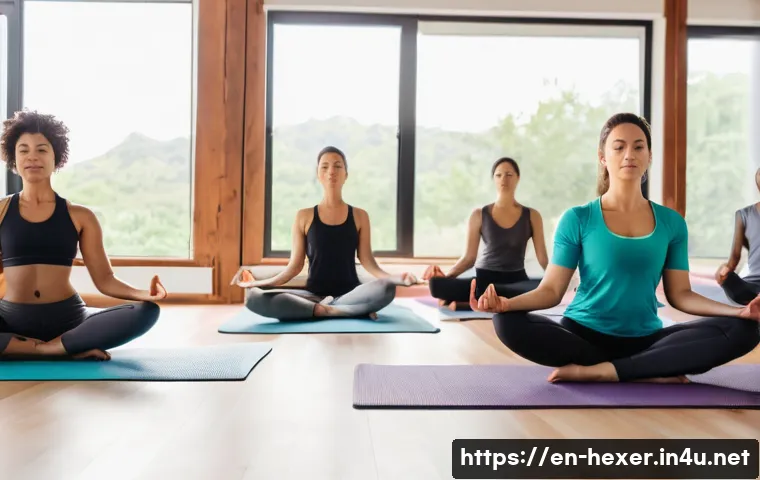
Choosing the right yoga mat thickness can make a huge difference in your practice, whether you’re a beginner or an experienced yogi. Thicker mats offer more cushioning and joint support, which is perfect for those with sensitive knees or wrists.
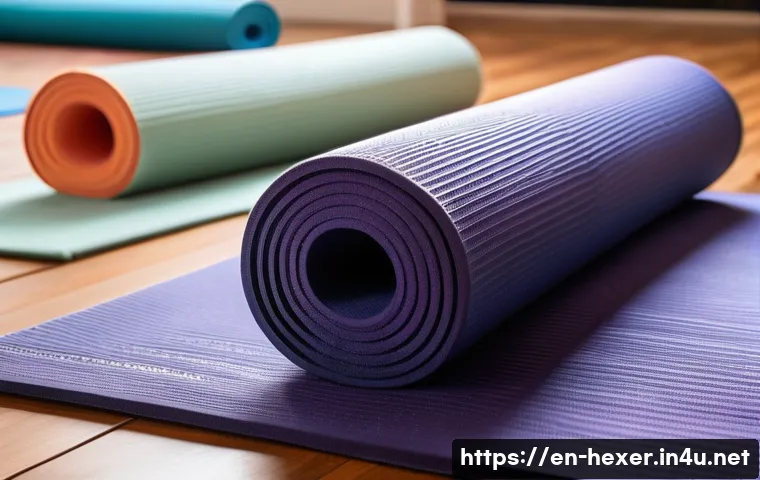
On the other hand, thinner mats provide better stability and balance, ideal for poses that require a strong connection to the floor. Finding the perfect balance depends on your personal needs and the type of yoga you enjoy.
Let’s dive into the details and help you find the best mat thickness that suits your practice perfectly!
Understanding Cushioning and Its Impact on Joint Comfort
Why Cushioning Matters in Yoga Practice
Cushioning plays a crucial role in how comfortable you feel during your yoga sessions, especially if you spend a lot of time in poses that put pressure on your knees, wrists, or spine.
When I first started practicing, I noticed that thin mats left my knees aching after a few minutes of kneeling postures. Choosing a mat with adequate thickness helped me avoid that discomfort.
The padding absorbs impact and reduces stress on vulnerable joints, which is a game-changer for anyone with sensitive areas or past injuries. However, too much cushioning can sometimes make balancing tricky, so it’s important to find a thickness that offers comfort without compromising stability.
How Thickness Affects Joint Support
Thicker mats, typically around 6mm or more, provide plush support that cushions joints against hard floors. This is ideal for restorative yoga or longer holds in poses where you’re resting on your knees or elbows.
From my experience, using a thicker mat during yin yoga sessions allowed me to stay relaxed and pain-free. On the flip side, if your practice involves dynamic movements or standing balances, excessive cushioning can cause instability, making it harder to ground yourself.
So, while cushioning is great for protection, it’s a balancing act to avoid feeling wobbly during standing sequences.
Personalizing Cushioning for Your Needs
Everyone’s body is different, and what works for one yogi might not work for another. For example, I found that when I switched from a 3mm mat to a 5mm mat, my wrist pain during weight-bearing poses decreased noticeably.
On the other hand, some friends who practice hot yoga prefer thinner mats because thicker ones tend to trap heat and moisture, making them slippery. Your choice should consider your body’s sensitivity, the yoga style you practice, and the environment.
Testing various thicknesses before committing can save you from frustration later.
Balancing Stability and Grip for a Confident Practice
How Thickness Influences Stability
Stability is essential when you’re flowing through sequences or holding challenging balances like Tree Pose or Crow Pose. Thinner mats, generally between 2mm to 4mm, provide a firmer connection to the ground, which helps maintain balance and prevent slips.
I remember trying a super thick mat once during a Vinyasa flow class and feeling like I was sinking a bit, which threw off my alignment. Thinner mats keep you grounded and make transitions smoother, especially on hardwood or tile floors where extra cushioning isn’t necessary.
The Role of Mat Thickness in Grip and Traction
Grip isn’t just about the surface texture but also about how your body weight interacts with the mat. Thicker mats can sometimes feel spongy, reducing the direct pressure needed to create friction between your hands or feet and the mat.
When I switched to a thinner mat with a textured surface, I noticed my downward dog felt much more secure, and I wasn’t sliding out of poses as often.
If you sweat a lot during practice, a thinner mat combined with a sticky surface can be a winning combo.
Finding the Sweet Spot for Your Practice Style
If your yoga style is power yoga, Ashtanga, or any fast-paced flow, you might benefit from a thinner mat that enhances stability and grip. For slower, more meditative practices like Hatha or Yin, a slightly thicker mat can add comfort without sacrificing too much stability.
I personally prefer a mid-range thickness (about 4-5mm) because it balances cushioning with enough firmness for balance. Think of it as the Goldilocks zone—not too thick, not too thin, but just right.
Durability and Portability: Thickness Matters Beyond Comfort
How Thickness Affects Mat Longevity
The thickness of your mat impacts not just comfort but also how long it lasts. Thicker mats tend to be more durable because they have more material to withstand wear and tear.
I’ve had a 6mm mat that lasted years despite frequent use, while thinner mats sometimes show signs of compression or tearing much sooner. If you’re investing in a mat for daily practice, choosing a thickness that can handle your intensity and frequency is smart.
However, remember that thicker mats can sometimes flatten out over time, losing their cushioning effect.
Portability and Convenience Considerations
Thicker mats usually mean more weight and bulk, which can be a hassle if you commute to your yoga studio or travel often. I’ve found that a 3mm mat easily fits into my backpack and doesn’t weigh me down, making it perfect for on-the-go practice.
Thicker mats require larger bags and are less convenient to carry around. If portability is a priority, thinner mats are definitely the way to go, but you might sacrifice some comfort, so it’s about what matters most to you.
Balancing Thickness with Your Lifestyle
Choosing your mat thickness isn’t just about the practice itself but how your yoga fits into your life. For home use, where carrying the mat isn’t an issue, thicker options provide comfort and durability.
For studio or outdoor classes, a lighter, thinner mat might make your routine easier and more enjoyable. I’ve personally switched between mats depending on where I’m practicing, and having two mats of different thicknesses has allowed me to adapt without compromise.
Thickness and Yoga Styles: Matching Mats to Practice Types
Mats for Gentle and Restorative Yoga
Restorative and gentle yoga styles benefit enormously from thicker mats. These styles often involve longer holds and poses that put pressure on joints, so a cushiony 6mm or thicker mat can make the experience much more pleasant.
When I dive into a restorative session, I rely on a plush mat that supports my body fully, allowing me to relax deeply. This kind of cushioning minimizes distractions from discomfort and helps me stay present.
Options for Power and Flow-Based Yoga
For power yoga, Vinyasa, or Ashtanga, thinner mats around 3mm to 4mm are typically preferred. These mats provide the firmness necessary for stability and balance during fast transitions.
I’ve practiced Ashtanga on both thick and thin mats, and the thinner ones definitely enhance control and precision in my movements. Plus, they dry faster if you sweat, which is a big plus for heated classes.
Specialized Mats for Hot Yoga and Travel
Hot yoga practitioners often choose mats that are thin and lightweight to prevent excessive heat retention and facilitate easy cleaning. A mat thickness between 2mm and 3mm works well because it offers enough cushion without becoming a moisture trap.
When traveling, I pack a thin mat that folds easily into my luggage. It’s not as cushioned but ensures I can keep up my practice anywhere without lugging heavy gear.
How to Test and Choose the Best Thickness for You
Trial and Error: The Most Reliable Approach
Nothing beats trying out mats in person before buying. Many yoga studios and stores let you test mats, and I highly recommend taking advantage of that.
When I first started, feeling the difference between 2mm and 6mm mats helped me understand what my body preferred. Pay attention to how your joints feel after 15-20 minutes of poses on each mat and notice your balance during standing sequences.
This real-world test will guide you better than any specification sheet.
Consider Your Physical Needs and Injuries
If you have pre-existing joint issues or chronic pain, prioritize cushioning over portability or grip. I’ve worked with clients who needed thicker mats to protect their knees during practice, and it made a noticeable difference in their ability to stay consistent.
Conversely, if you have excellent joint health but struggle with balance, a thinner mat might improve your performance. Reflect on your body’s signals and consult with a yoga teacher or physical therapist if unsure.
Use a Comparison Chart to Simplify Your Decision
| Thickness | Ideal For | Pros | Cons |
|---|---|---|---|
| 1-2 mm | Travel, hot yoga, portability | Lightweight, easy to carry, dries quickly | Minimal cushioning, less joint support |
| 3-4 mm | Power yoga, flow styles | Good stability, balanced cushioning | Moderate comfort, may feel thin for sensitive joints |
| 5-6 mm | General practice, mixed styles | Comfortable cushioning, decent stability | Heavier, bulkier to carry |
| 7+ mm | Restorative yoga, joint protection | Excellent cushioning, great for sensitive joints | Can feel unstable, hard to transport |
Material and Thickness: How They Work Together
The Influence of Mat Materials on Cushioning
Thickness alone doesn’t tell the whole story because the material also affects how cushioned or firm a mat feels. For example, high-density PVC mats can feel firmer even at 6mm thickness, whereas foam mats may feel softer at the same thickness.
I’ve found that eco-friendly rubber mats offer a nice balance of grip and cushioning, even when they’re thinner. When choosing thickness, consider the mat’s material properties to get a better sense of the overall feel.
Durability Differences Based on Thickness and Material
Materials combined with thickness impact how long a mat holds its shape and cushioning. Thicker mats made from durable materials like natural rubber or TPE tend to last longer without compressing.
I’ve seen cheaper foam mats lose their bounce quickly, especially if they’re thin. If you want a mat that lasts, invest in a quality material and match it with an appropriate thickness for your practice intensity.
Eco-Friendly Choices and Thickness Preferences
For those who care about sustainability, natural rubber mats are often thicker but biodegradable, offering a guilt-free cushion. I personally switched to a natural rubber mat at 5mm thickness and appreciated both the comfort and the environmental benefits.
Thinner mats made from synthetic materials might be less eco-friendly but easier to carry. Balancing thickness and material choice allows you to align your yoga practice with your values.
Maintaining Your Mat: Thickness and Care Tips
Cleaning Practices for Different Thicknesses
Thicker mats can take longer to dry and may trap more sweat, so regular cleaning is essential to prevent odors and bacteria buildup. I use a mild, natural cleaner and wipe down my 6mm mat after every session to keep it fresh.
Thinner mats dry quickly but require gentle handling to avoid tears. Adapting your cleaning routine based on thickness helps prolong your mat’s life and keeps your practice hygienic.
Storage Tips to Preserve Cushioning
Rolling your mat loosely and storing it flat or hanging can prevent permanent creases or compression, especially for thicker mats. I’ve learned the hard way that folding a thick mat can cause cracks or breaks in the material.
Thinner mats are more flexible but still benefit from careful storage. Proper care ensures your cushioning stays intact and your mat remains comfortable over time.
When to Replace Your Mat Based on Thickness Wear
Over time, even the best mats lose cushioning and support. If you notice your mat compressing permanently or losing grip, it’s time for a replacement.
Thicker mats may show wear in the form of flattening, while thinner mats might tear or lose texture. I usually replace my mat every 1-2 years depending on usage to maintain optimal support and safety during practice.
Listening to your body’s feedback about discomfort can also signal when a new mat is due.
Conclusion
Choosing the right mat thickness is key to enhancing your yoga experience by balancing comfort, support, and stability. It’s important to consider your practice style, body needs, and lifestyle when making this choice. Testing different options and paying attention to how your body responds will help you find the perfect fit. Ultimately, the right mat thickness allows you to focus fully on your practice without distraction or discomfort.
Useful Tips to Keep in Mind
1. Always test mats in person when possible to feel how thickness affects your joint comfort and balance.
2. Consider your yoga style—dynamic flows benefit from thinner mats, while restorative practices thrive on thicker cushioning.
3. Pay attention to your body’s signals, especially if you have joint sensitivity or injuries, to select appropriate cushioning.
4. Balance durability and portability based on how and where you practice most often.
5. Maintain your mat properly by cleaning and storing it according to its thickness to extend its lifespan.
Key Takeaways
Finding the right mat thickness is a balance between cushioning for joint protection and firmness for stability. Thicker mats offer superior comfort but can compromise balance and portability, while thinner mats enhance grip and ease of transport but may provide less cushioning. Material quality also plays a crucial role in durability and feel. Tailoring your choice to your personal needs and yoga style ensures a safer, more enjoyable practice every time.
Frequently Asked Questions (FAQ) 📖
Q: How thick should my yoga mat be if I have sensitive knees or joints?
A: If you have sensitive knees or joints, opting for a thicker yoga mat—around 6mm to 8mm—is usually the best choice. Thicker mats provide extra cushioning that absorbs impact and reduces pressure on your joints, making poses more comfortable and preventing pain during your practice.
I personally found that switching to a 6mm mat made a huge difference in protecting my wrists and knees during longer sessions.
Q: Is a thinner yoga mat better for balance and stability?
A: Yes, thinner mats, typically around 3mm or less, offer superior stability and a closer connection to the floor, which is especially beneficial for balance-focused poses like tree pose or crow.
When I practiced on a thin mat, I noticed I could engage my muscles more effectively and maintain better control, which really helped improve my overall balance.
However, keep in mind that thinner mats provide less cushioning, so they might feel less comfortable if you have sensitive joints.
Q: Can I use the same mat thickness for all types of yoga?
A: While it’s possible, it’s not always ideal. For gentle or restorative yoga, a thicker mat enhances comfort and joint support, whereas for vigorous styles like Ashtanga or Vinyasa, a thinner mat improves grip and stability.
From my experience, having two mats—a cushioned one for slow, deep stretches and a thinner one for fast-paced flows—helped me tailor my practice better and avoid discomfort.
Ultimately, your choice should reflect your specific yoga style and personal comfort needs.