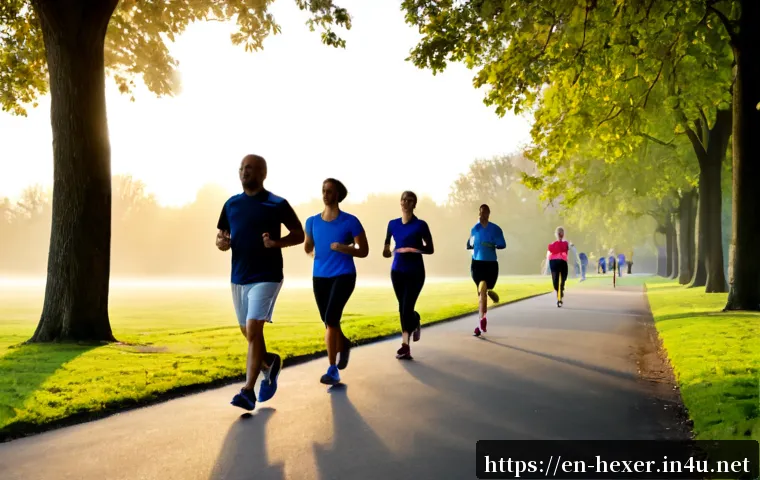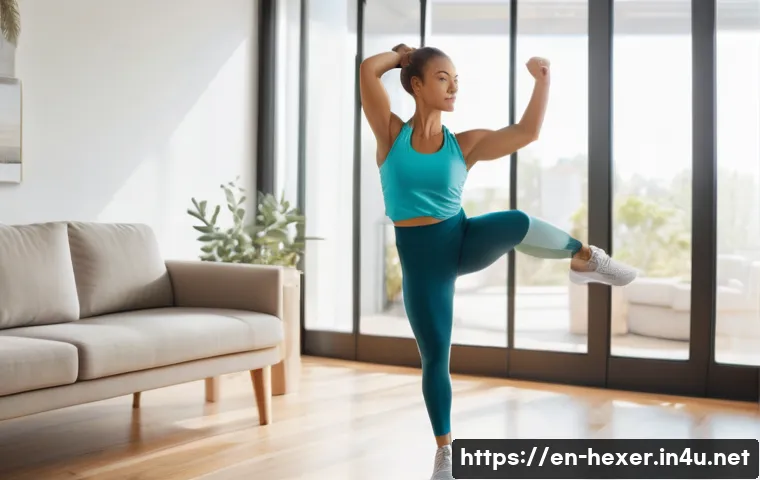
Strengthening your lower body doesn’t always require a gym membership or fancy equipment. With the right routine, you can boost circulation, tone muscles, and improve overall leg health right from the comfort of your home.
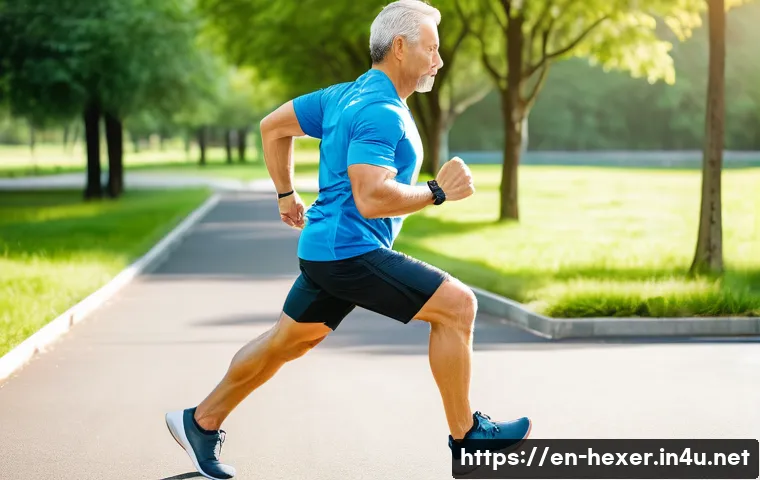
Incorporating simple yet effective exercises into your daily schedule can enhance blood flow, reduce fatigue, and increase energy levels. Whether you’re sitting for long hours or recovering from an injury, these movements can make a significant difference.
Let’s dive into a practical and easy-to-follow lower body circulation workout that anyone can do. Get ready to feel the benefits—I’ll guide you through every step!
Dynamic Movements to Wake Up Your Legs
Leg Swings for Hip Mobility
Leg swings are a fantastic way to get your blood pumping and loosen up those hip joints without any equipment. I like to start my routine with these because they not only increase circulation but also prepare the muscles for more intense moves.
You simply stand next to a wall or chair for support, then swing one leg forward and backward in a controlled motion. After about 15 swings on each leg, you’ll notice a subtle warmth spreading through your thighs and glutes.
This gentle dynamic stretch really helps reduce stiffness, especially if you’ve been sitting for hours. Plus, it’s easy to modify by adjusting the speed or range of motion to suit your comfort level.
Walking Lunges to Activate Multiple Muscle Groups
Walking lunges might sound basic, but they’re incredibly effective for boosting circulation and strengthening your lower body at the same time. When I do walking lunges, I feel my heart rate rise just enough to promote blood flow without overwhelming my system.
The key is to keep your torso upright and take deliberate steps, feeling the stretch in your hamstrings and glutes. This movement targets your quads, hamstrings, and calves, while also engaging your core for balance.
Doing about 12 to 15 lunges on each leg feels like a great challenge but leaves me energized rather than drained.
Heel Raises to Stimulate Calf Circulation
Heel raises are a simple yet powerful exercise to get your calves working and improve circulation in your lower legs. I often include these at the end of my warm-up because they help pump blood back up from the feet, reducing that heavy, tired feeling after sitting all day.
Standing tall, you slowly raise your heels off the floor, pause for a moment at the top, and then lower back down. Doing 20 to 25 reps in a slow, controlled manner really wakes up the calves and enhances venous return.
If you want to increase difficulty, try single-leg heel raises or add a slight pause to maximize muscle engagement.
Seated Exercises to Boost Circulation When You’re Stationary
Ankle Pumps for Immediate Relief
Ankle pumps are my go-to whenever I’m stuck at a desk or watching TV for extended periods. They’re incredibly easy to do but surprisingly effective at promoting circulation.
Just flex your feet by pointing your toes away from you and then pulling them back toward your shins repeatedly. I usually do sets of 30, and it’s amazing how quickly my legs feel less heavy and more energized afterward.
This exercise is especially helpful to prevent swelling and discomfort, particularly if you travel frequently or have a desk job.
Seated Marching to Mimic Walking
If standing isn’t an option, seated marching can simulate the benefits of walking while keeping you comfortable. I find this movement helpful when recovering from an injury or during busy days when I need a quick circulation boost.
Simply lift your knees alternately as if you’re marching in place, keeping your core engaged and feet off the floor. Doing 1-2 minutes of seated marching gets the blood flowing in your thighs and hips, which helps reduce stiffness and improves overall leg health without any strain.
Calf Stretch with a Towel
Stretching is just as important as movement for circulation, and a seated calf stretch is perfect for releasing tension. Using a towel or resistance band, loop it around the ball of one foot and gently pull your toes toward you while keeping your leg straight.
Hold the stretch for 20-30 seconds and then switch sides. This stretch not only enhances flexibility but also encourages better blood flow by elongating the muscle fibers.
I always feel a nice sense of relief after doing this stretch, especially if I’ve been on my feet all day.
Simple Standing Exercises That Pack a Punch
Wall Sits to Build Endurance and Circulation
Wall sits are a deceptively tough exercise that builds muscular endurance while promoting circulation deep within your legs. When I first started incorporating wall sits, I underestimated how challenging they could be, but they really target the quads and glutes effectively.
By pressing your back against a wall and sliding down until your knees are at a right angle, you create an isometric hold that stimulates blood flow. Holding this position for 30 to 60 seconds pushes your muscles to work hard without needing any movement, which is great if you want to avoid joint strain.
Side Leg Raises for Outer Thigh Activation
Side leg raises are excellent for strengthening your hip abductors and improving circulation along the sides of your legs. I like to do these while watching TV or listening to music because they’re low-impact but yield noticeable results.
Standing tall, you lift one leg out to the side slowly, pause at the top, and then lower it back down. Doing 15 to 20 reps per side really wakes up those smaller muscles that often get neglected, which helps improve balance and reduce fatigue.
Adding ankle weights can increase the intensity if you want an extra challenge.
Mini Squats to Enhance Blood Flow and Strength
Mini squats are a perfect way to get your legs moving without putting too much pressure on your knees or hips. I often suggest these to people who want to improve circulation but are cautious about joint pain.
By bending your knees slightly and lowering your hips just a few inches as if you’re about to sit down, you engage your quads, hamstrings, and glutes gently.
Repeating 20 to 25 mini squats can noticeably increase warmth and circulation in your lower body, making your legs feel more energized and less stiff.
Stretching and Recovery to Support Circulation
Hamstring Stretch to Release Tightness
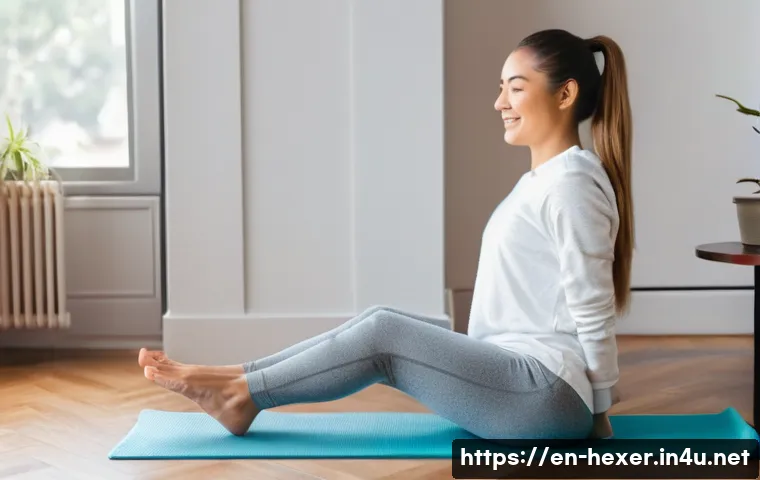
Tight hamstrings can restrict blood flow and cause discomfort, so I always include hamstring stretches in my routine. Sitting on the floor with one leg extended and the other bent, you lean forward gently toward the straight leg until you feel a stretch.
Holding this position for 30 seconds encourages muscle relaxation and improves circulation by elongating the fibers. After consistent practice, I noticed less tension and more flexibility, which made walking and other movements feel smoother.
Foam Rolling for Deep Muscle Relief
Foam rolling is a fantastic tool for boosting circulation by breaking up muscle knots and encouraging blood flow. I use a foam roller on my calves, quads, and hamstrings after workouts or long days of sitting.
Rolling slowly over tight areas can be uncomfortable at first, but it quickly leads to a feeling of release and increased mobility. Spending 5 to 10 minutes foam rolling can reduce soreness and promote faster recovery, making it a valuable addition to any lower body circulation routine.
Deep Breathing to Enhance Circulatory Function
It might sound unrelated, but deep breathing plays a crucial role in improving circulation. When I focus on slow, deep breaths during stretching or resting phases, I notice my legs feel warmer and less fatigued.
Deep breathing increases oxygen delivery and helps relax blood vessels, which promotes smoother blood flow. Incorporating a few minutes of mindful breathing into your workout or daily routine can amplify the benefits of all your exercises by supporting overall vascular health.
Understanding Exercise Benefits for Lower Body Circulation
| Exercise | Main Muscle Groups Targeted | Primary Circulation Benefit | Recommended Reps/Duration |
|---|---|---|---|
| Leg Swings | Hip flexors, hamstrings, glutes | Increases joint mobility and warms muscles | 15 swings per leg |
| Walking Lunges | Quads, hamstrings, calves, core | Boosts blood flow and muscle endurance | 12-15 lunges per leg |
| Heel Raises | Calves | Enhances venous return and reduces leg fatigue | 20-25 reps |
| Ankle Pumps | Lower leg muscles | Promotes circulation during prolonged sitting | 30 pumps |
| Wall Sits | Quads, glutes | Stimulates deep muscle circulation via isometric hold | 30-60 seconds hold |
| Foam Rolling | Calves, quads, hamstrings | Breaks up muscle tension, improves blood flow | 5-10 minutes |
Incorporating Lower Body Circulation Exercises into Your Day
Creating a Consistent Routine
From my experience, the key to seeing improvements in leg health and circulation isn’t about doing an intense workout once in a while—it’s about consistency.
I found that dedicating just 15 to 20 minutes daily to these exercises made a huge difference. Whether it’s first thing in the morning or as a break during work, having a set time helps build the habit.
You can mix and match exercises from different categories depending on how much time you have or how your legs feel that day. The important part is to keep moving regularly to maintain good blood flow and muscle tone.
Listening to Your Body’s Signals
One thing I learned the hard way is not to push too hard, especially if your legs are sore or you’re recovering from an injury. Paying attention to discomfort or pain can prevent setbacks and help you tailor exercises to your current needs.
Gentle movements like ankle pumps or seated marches can be lifesavers on days when you’re feeling fatigued. On better days, you can gradually increase intensity with walking lunges or wall sits.
This kind of mindful approach makes the routine sustainable and more enjoyable.
Combining Movement with Hydration and Nutrition
Improving circulation isn’t just about exercise; hydration and nutrition play a huge supporting role. Drinking plenty of water throughout the day helps keep your blood flowing smoothly, while foods rich in antioxidants and anti-inflammatory properties—like berries, leafy greens, and nuts—can improve vascular health.
I try to pair my exercise routine with these lifestyle habits because I’ve noticed my legs feel less swollen and more energized when I do. It’s a holistic approach that maximizes the benefits of every workout session.
Using Household Items to Enhance Your Workout
Chairs for Stability and Support
A sturdy chair can be your best friend during lower body exercises, especially if balance is a concern. I often use one for support during leg swings or side leg raises to keep from wobbling.
Chairs also allow you to perform seated exercises like marches or calf stretches safely and comfortably. Having something to hold on to makes a big difference when you’re easing into a new routine or recovering from an injury.
Resistance Bands for Added Challenge
If you want to ramp up your workout without bulky equipment, resistance bands are perfect. They add tension during movements like mini squats or side leg raises, which helps build strength and stimulate circulation more effectively.
I personally love using light to medium resistance bands because they’re versatile and easy to store. Plus, they’re gentle on the joints, so you can use them even if you’re cautious about high-impact exercises.
Towels for Stretching and Mobility
A simple towel can double as a stretching aid when you don’t have a yoga strap or resistance band. Using a towel for calf or hamstring stretches allows you to control the intensity and maintain proper form.
I find that this small addition makes stretches more accessible and effective, especially if you’re tight or new to flexibility work. It’s a low-cost way to support your circulation routine without any extra gym gear.
Conclusion
Incorporating dynamic movements and targeted exercises into your daily routine can significantly improve leg circulation and overall lower body health. Whether you’re standing, seated, or recovering from an injury, these simple yet effective strategies help reduce stiffness, boost energy, and support muscle endurance. Consistency and mindful practice are key to feeling the lasting benefits. Start small, listen to your body, and watch your legs come alive with renewed vitality.
Useful Tips to Remember
1. Start with gentle movements like leg swings or ankle pumps to warm up and gradually increase intensity as your legs feel more comfortable.
2. Use household items such as chairs or towels to provide stability and assist in stretching, making exercises safer and more accessible.
3. Combine exercise with proper hydration and nutrition to enhance circulation and support vascular health effectively.
4. Pay attention to your body’s signals—avoid pushing through pain and adapt exercises to your current fitness or recovery level.
5. Aim for daily consistency, even if it’s just 15 to 20 minutes, to maintain circulation and prevent stiffness from prolonged sitting or inactivity.
Key Takeaways
Maintaining healthy circulation in your legs involves a balanced mix of dynamic movement, stretching, and recovery techniques. Prioritize exercises that engage multiple muscle groups while being mindful of your body’s limits. Supporting your routine with hydration and proper nutrition amplifies results. Simple tools like resistance bands and towels can enhance your workouts without extra expense or complexity. Above all, consistency and listening to your body ensure sustainable progress and lasting leg vitality.
Frequently Asked Questions (FAQ) 📖
Q: How often should I do this lower body circulation workout to see noticeable improvements?
A: From my experience, incorporating these exercises at least three to four times a week can lead to visible benefits within a few weeks. Consistency is key—your muscles and circulation respond best when you make it a regular habit.
Even just 10 to 15 minutes per session can boost energy levels and reduce leg fatigue, especially if you’ve been sitting for long periods.
Q: Do I need any special equipment or a lot of space to perform these exercises at home?
A: Not at all! That’s the beauty of this routine. I’ve personally done it in small living rooms and even hotel rooms while traveling.
All you need is your own body weight and maybe a sturdy chair or wall for balance. The exercises are designed to be simple and adaptable, so you can fit them into your day without needing fancy gear or a large workout area.
Q: Can this workout help if I’m recovering from a leg injury or have poor circulation issues?
A: Yes, but with some caution. Gentle movements like these can improve blood flow and aid recovery, but it’s crucial to listen to your body and consult with a healthcare professional first.
When I dealt with a minor knee injury, starting with low-impact exercises helped me regain strength without overdoing it. Modify the intensity based on your comfort level and progress gradually to avoid any setbacks.