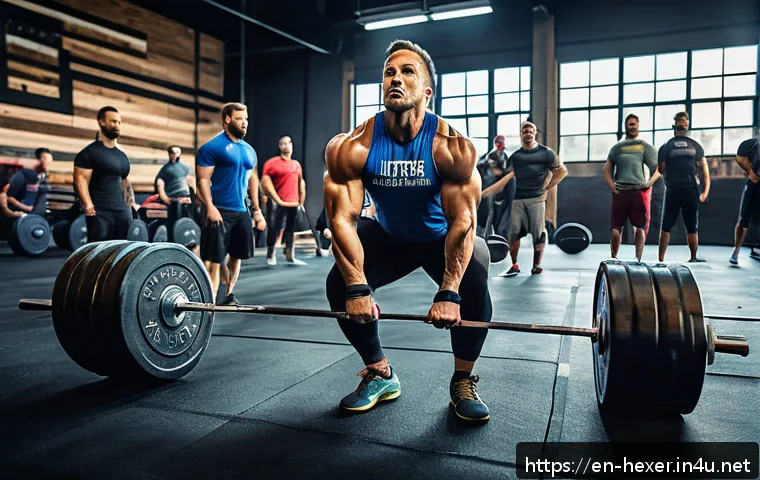
Lately, strength training has taken center stage in fitness conversations, with both CrossFit and powerlifting communities booming like never before. If you’ve ever wondered how barbell training stacks up between these two powerhouse disciplines, you’re not alone.
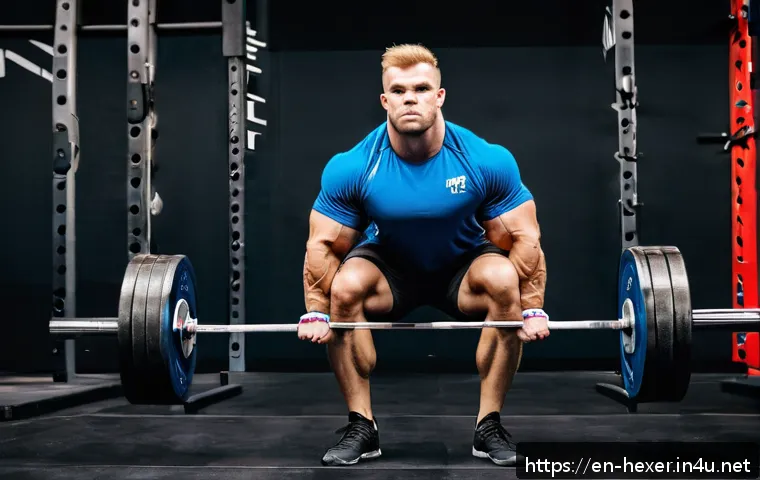
Each offers unique approaches to building raw strength, but the differences go beyond just technique—they influence performance, injury risk, and overall fitness goals.
I’ve spent time exploring both worlds firsthand, and in this post, I’ll break down the secrets behind their barbell training styles. Whether you’re a seasoned lifter or just curious, this comparison will shed light on what truly makes each method effective—and maybe help you decide which path suits you best.
Stick around, because the insights might surprise you!
Contrasting Training Philosophies: Dynamic vs. Maximal Effort
Explosive Movement Patterns vs. Single Max Lifts
When you dive into the world of CrossFit, the barbell work is all about dynamic, explosive movements that integrate strength with speed and coordination.
Think of Olympic lifts like the clean and jerk or snatch, which demand not just muscle power but precise timing and mobility. CrossFitters often cycle through multiple reps and complex sequences, pushing cardiovascular endurance alongside raw strength.
On the other hand, powerlifting zeroes in on maximal effort for three core lifts: squat, bench press, and deadlift. The focus is on moving the heaviest weight possible for a single rep, emphasizing absolute strength over speed or endurance.
This fundamental difference shapes how each community approaches training volume, intensity, and recovery.
Periodization and Programming Differences
Programming in powerlifting typically follows long-term periodization models designed to peak strength on competition day. Lifters often have dedicated cycles focusing on hypertrophy, strength, and tapering phases.
This structured approach allows for deliberate progression and recovery, minimizing overtraining risks. Conversely, CrossFit programming tends to be more varied and unpredictable, incorporating a mix of strength, conditioning, and skill work daily or weekly.
This diversity keeps workouts engaging but can challenge consistent strength progression, as athletes juggle multiple fitness domains simultaneously.
Training Environment and Community Impact
The atmosphere surrounding each discipline also influences how barbell training unfolds. CrossFit gyms foster a high-energy, communal vibe where athletes cheer each other through intense workouts, often competing in daily challenges.
This environment motivates many to push beyond their limits but can sometimes lead to form breakdowns under fatigue. Powerlifting gyms, by contrast, tend to be quieter and more focused spaces where lifters meticulously refine technique and build mental toughness for heavy singles.
The culture encourages patience and precision, often attracting those who appreciate a more measured approach to strength gains.
Technique Nuances: Precision vs. Pragmatism
Technical Complexity of Olympic Lifts
Barbell movements in CrossFit frequently revolve around Olympic lifts, which are notoriously technical. These lifts require a deep understanding of biomechanics—proper bar path, hip engagement, and timing are crucial to execute clean and jerk or snatch efficiently and safely.
Mastery often takes months or even years of focused coaching and practice. The payoff is a full-body explosive power that translates well into varied athletic tasks but demands constant attention to form to prevent injury.
Powerlifting’s Focus on Safe Load Management
Powerlifters prioritize maintaining tight, stable positions throughout their lifts to safely handle maximal weights. While the lifts might appear simpler in terms of movement patterns, the stress on joints and connective tissues is immense.
Attention to bracing, foot placement, and bar positioning is critical. Unlike the rapid, fluid motions seen in CrossFit, powerlifting technique emphasizes controlled execution and maximal force production, often with slower, more deliberate bar speed to maintain control.
Injury Prevention Through Form and Frequency
Both disciplines recognize the importance of technique for injury prevention, but their approaches differ. CrossFit’s high-rep, high-velocity training can sometimes lead to technique breakdowns when athletes push beyond their limits, increasing injury risk.
Proper coaching and scaling are essential to mitigate this. Powerlifting, with its focus on heavy singles and lower repetition, stresses recovery and joint health, encouraging lifters to listen to their bodies and prioritize rest days.
The balance between volume and intensity in powerlifting often results in fewer overuse injuries compared to CrossFit’s more varied but intense daily workload.
Strength Gains and Muscle Development: Different Roads to Power
Hypertrophy Through Varied Stimuli
CrossFit’s barbell training, combined with metabolic conditioning and bodyweight exercises, promotes muscle growth through a blend of hypertrophy and endurance work.
The variety in stimulus—switching between heavy lifts, high-rep sets, and explosive moves—can lead to balanced muscular development. However, because the focus is distributed across many fitness components, pure size gains might lag behind compared to specialized bodybuilding or powerlifting routines.
Maximal Strength Emphasis in Powerlifting
Powerlifting hones in on building maximal strength by progressively overloading the key lifts. The repeated practice of heavy singles and low-rep sets creates significant neurological adaptations and muscle fiber recruitment, particularly in the type II fibers responsible for explosive force.
This targeted approach often results in impressive strength numbers but may not contribute as much to overall muscular symmetry or endurance.
Practical Implications for Everyday Strength
From my experience, CrossFit’s barbell work builds a more functional, adaptable kind of strength that serves well in varied physical activities—whether climbing, sprinting, or lifting odd objects.
Powerlifting strength, while immense, is highly specialized and might not translate as seamlessly to dynamic or endurance-based tasks. Depending on your lifestyle or athletic goals, one approach might feel more practical or satisfying.
Recovery Strategies and Fatigue Management
Balancing Intensity with Volume
CrossFit’s frequent high-intensity sessions, often performed daily, can accumulate fatigue rapidly. Recovery strategies must be robust—incorporating mobility work, nutrition, and sleep—to sustain performance.
Athletes often cycle through lighter “active recovery” days to prevent burnout but balancing this with consistent strength gains remains a challenge. Powerlifters, by contrast, typically adopt lower training frequencies with higher intensities, allowing more dedicated recovery windows.
This measured approach often supports greater long-term strength development and reduces injury risk.
The Role of Mobility and Accessory Work
Both communities value mobility but with different focuses. CrossFit integrates daily mobility drills to maintain joint health and support the complex movements involved in their training.
Powerlifters prioritize targeted accessory exercises aimed at strengthening weak points and improving squat, bench, or deadlift mechanics. I’ve noticed that powerlifters who neglect mobility often hit plateaus or develop nagging injuries, while CrossFitters who skip accessory work may experience imbalances.
Psychological Aspects of Recovery
Mentally, the two approaches demand different coping strategies. CrossFit’s high-volume, competitive environment can sometimes induce burnout or overtraining syndrome if recovery isn’t managed well.
Powerlifting’s slower, goal-oriented progressions require patience and mental resilience, especially when chasing incremental PRs. Both benefit from mindfulness practices and community support, but understanding your psychological makeup helps tailor recovery effectively.
Performance Outcomes Beyond the Barbell
CrossFit’s Holistic Fitness Model
CrossFit aims to develop broad, general physical preparedness. Barbell training here is just one component among gymnastics, running, rowing, and other modalities.
This holistic approach produces athletes capable of performing well across a wide range of tasks and environments. If you want functional fitness that translates to everyday challenges, CrossFit’s barbell work integrates seamlessly into this model, enhancing power, speed, and endurance simultaneously.
Powerlifting’s Laser Focus on Strength Metrics
Powerlifting’s primary goal is simple: lift the heaviest weight possible in squat, bench, and deadlift. This focus produces athletes with exceptional maximal strength, often at the expense of cardiovascular fitness or mobility.
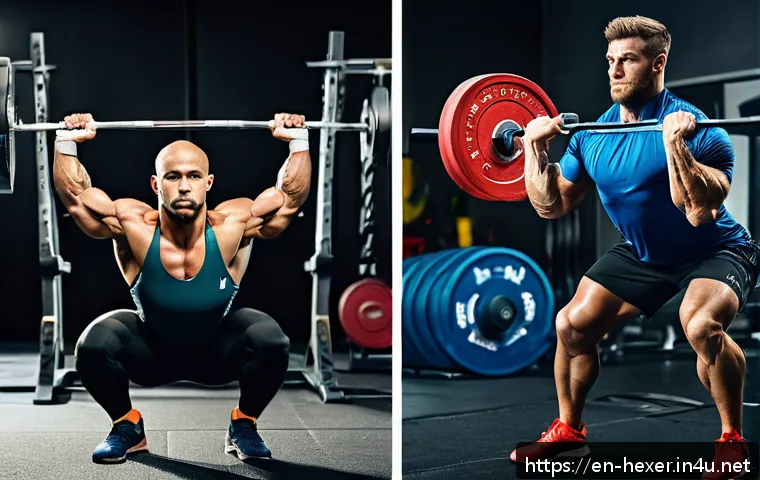
For competitive lifters, this singular pursuit demands precise training and recovery protocols. For recreational lifters, it offers a straightforward path to measurable progress and personal achievement in strength.
Choosing Based on Personal Goals
From my perspective, deciding between these paths comes down to what you want from your fitness journey. If you crave versatility, community energy, and a blend of strength with endurance, CrossFit’s barbell training might be your best bet.
If you prefer a clear, focused goal of maximal strength and enjoy the technical mastery of heavy lifts, powerlifting offers a rewarding structure. Both disciplines cultivate impressive strength, but the journey and outcomes differ markedly.
Equipment and Gym Culture Influences
Variety and Accessibility of Gear
CrossFit gyms typically stock a broad array of equipment: bumper plates, Olympic bars, kettlebells, rigs, and more. This variety supports the diverse movement patterns and conditioning elements integral to their programming.
The use of bumper plates, for instance, allows for safer dropping of heavy weights during dynamic lifts. Powerlifting gyms usually focus on specialized gear: calibrated steel plates, competition bars, squat racks, and bench setups optimized for maximal lifts.
Some lifters incorporate supportive equipment like belts, wraps, and suits to enhance performance legally.
Community Vibes and Training Atmospheres
CrossFit’s group classes foster a lively, competitive environment where athletes push each other through timed workouts and skill challenges. This camaraderie can be incredibly motivating but may also lead to rushing through lifts or neglecting form under pressure.
Powerlifting settings are often more individual-focused; training sessions might be quieter, with lifters concentrating deeply on technique and attempting heavy singles.
Both cultures offer strong support but cater to different personality types and training preferences.
Impact on Long-Term Engagement
The social and equipment aspects shape how sustainable each discipline feels over time. CrossFit’s diverse programming and community events can keep motivation high, especially for those who thrive in group settings.
Powerlifting’s clear goals and measurable progress appeal to those who enjoy tracking strength milestones. Personally, I’ve seen athletes stick with either path for years, but the choice often hinges on how well the gym culture and equipment match their training style and personality.
| Aspect | CrossFit Barbell Training | Powerlifting Barbell Training |
|---|---|---|
| Primary Focus | Explosive, dynamic lifts; full-body conditioning | Maximal strength on squat, bench, deadlift |
| Training Volume | High reps, varied movements, frequent sessions | Lower reps, focused lifts, scheduled recovery |
| Technique | Complex, technical Olympic lifts | Controlled, stable positioning for heavy loads |
| Injury Risk | Higher if form breaks under fatigue | Risk from heavy loads and overuse |
| Community | Energetic, competitive group environment | Focused, individual-driven atmosphere |
| Equipment | Bumper plates, Olympic bars, versatile gear | Calibrated plates, power bars, supportive gear |
| Performance Outcome | Versatile strength and endurance | Maximal absolute strength |
| Recovery | Challenging due to high frequency | Emphasized with structured cycles |
Programming Flexibility and Adaptation
Adjusting for Individual Needs
One thing I’ve noticed is how adaptable CrossFit programming can be for different fitness levels. Coaches often scale weights, reps, or movements to suit beginners or athletes with specific limitations, making barbell work accessible while maintaining intensity.
Powerlifting programs, while highly structured, also allow for customization based on weaknesses or injury history, but changes tend to be more calculated and slower to implement, given the heavy loads involved.
Incorporating Accessory Movements
Both disciplines value accessory exercises but apply them differently. CrossFit incorporates these as part of broader workouts to support general strength and mobility—think kettlebell swings, pull-ups, or core drills.
Powerlifting’s accessory work is more targeted, designed to improve specific lift mechanics or address muscle imbalances. For example, a lifter struggling with lockout strength in deadlift might prioritize deficit deadlifts or rack pulls.
Long-Term Progress Tracking
Tracking progress is straightforward in powerlifting: the barbell weight on your three lifts tells the story. CrossFit, however, requires monitoring a broader range of metrics, from workout times to reps and weights across various lifts and conditioning pieces.
This complexity can make it harder to see linear progress in barbell strength alone but offers a more comprehensive picture of overall fitness development.
Mental and Emotional Impact of Training Styles
Motivation Through Variety vs. Focus
From my personal experience, CrossFit’s constantly varied workouts keep boredom at bay and motivation high for those who enjoy novelty. The fast pace and group energy can make workouts feel like social events rather than chores.
Powerlifting’s focused, repetitive training demands patience and mental toughness; celebrating small strength increments becomes key to staying engaged.
Each style suits different mental approaches to training.
Handling Plateaus and Setbacks
CrossFit athletes may face frustration when barbell strength plateaus amidst the chaos of diverse workouts, but the variety allows shifting focus temporarily to other skills.
Powerlifters often encounter plateaus that require careful programming tweaks and mental resilience to push through. The journey can feel slower but deeply rewarding when breakthroughs happen, offering a strong sense of accomplishment.
Community Support and Accountability
Both CrossFit and powerlifting communities provide valuable support systems, though their nature varies. CrossFit’s group classes foster daily accountability and shared goals, creating a team atmosphere that helps many push limits.
Powerlifting communities, whether online or in gyms, offer mentorship and camaraderie centered around shared love for heavy lifting. Personally, I’ve found both environments motivating, but the best fit depends on your personality and social preferences.
Conclusion
Both CrossFit and powerlifting offer unique approaches to barbell training, each with distinct benefits and challenges. Whether you prefer the dynamic, varied workouts of CrossFit or the focused, maximal strength development of powerlifting, understanding these differences can help you tailor your training to your personal goals. Ultimately, the best path is the one that keeps you motivated, safe, and progressing consistently.
Useful Information to Know
1. CrossFit emphasizes explosive, multi-rep lifts combined with endurance, making it ideal for those seeking overall fitness versatility.
2. Powerlifting focuses on maximal effort in three core lifts, perfect for athletes aiming to build peak strength.
3. Recovery strategies differ significantly; CrossFit demands careful fatigue management due to high frequency, while powerlifting allows longer recovery cycles.
4. Technique complexity varies: Olympic lifts require precise biomechanics, whereas powerlifting stresses controlled, stable execution.
5. Community environments influence motivation—CrossFit offers energetic group support, and powerlifting provides focused, individual-driven camaraderie.
Key Takeaways
Understanding your fitness goals and personality is crucial when choosing between CrossFit and powerlifting. CrossFit delivers a holistic, fast-paced training style that builds versatile strength and endurance but requires diligent technique monitoring to avoid injury. Powerlifting offers a structured, methodical path to maximal strength, emphasizing precision and recovery, which suits those who enjoy measurable progress and technical mastery. Both approaches foster strong communities and can be adapted to individual needs, making them effective depending on your preferences and lifestyle.
Frequently Asked Questions (FAQ) 📖
Q: How do barbell training techniques differ between CrossFit and powerlifting?
A: In CrossFit, barbell training emphasizes explosive, dynamic movements like Olympic lifts—snatches and clean & jerks—performed at high intensity with varied reps and weights.
The goal is functional fitness and overall athleticism. Powerlifting, on the other hand, focuses on three main lifts: squat, bench press, and deadlift, prioritizing maximal strength with controlled, heavy lifts and lower repetitions.
From my experience, CrossFit’s approach feels more varied and fast-paced, while powerlifting demands patience and precision to perfect form under heavy loads.
Q: Which style of barbell training is safer for beginners?
A: Both can be safe if approached correctly, but I’ve noticed beginners often find powerlifting’s structured, slower tempo easier to learn without rushing, which reduces injury risk.
CrossFit’s fast-paced workouts can sometimes lead to form breakdown under fatigue, increasing injury chances if coaching isn’t top-notch. That said, CrossFit gyms with skilled coaches can teach great technique safely.
Ultimately, starting with proper guidance and focusing on form over weight is key in either style.
Q: Can you gain overall fitness benefits from both CrossFit and powerlifting barbell training?
A: Absolutely! CrossFit’s barbell work enhances cardiovascular endurance, power, and muscular endurance thanks to its varied, high-intensity sessions. Powerlifting builds raw maximal strength and muscle density, which also supports joint health and metabolism.
From what I’ve personally felt, combining elements from both—like adding Olympic lifts to a powerlifting routine or incorporating heavy singles into CrossFit—can create a balanced, highly effective fitness program tailored to your goals.