The best cardio for fat loss is the activity you can repeat consistently while recovering well and supporting it with sustainable eating habits. Walking, cycling, swimming, rowing, running, elliptical training, and intervals can all help increase energy expenditure, but no single workout is automatically best for everyone.
A free walking routine may be enough for many people, while a gym membership, home cardio machine, fitness app, or coaching support can be useful when it removes practical barriers.
Choose based on impact, available time, access, skill level, and ongoing cost rather than chasing the hardest workout. Higher-intensity sessions can be efficient, but they usually demand more recovery and are not the best daily starting point.
The goal is a routine that fits your real schedule long enough to become a habit.
At a Glance
- Starting point: Walking, cycling, or an elliptical session is often practical for beginners and people returning after inactivity.
- For limited time: Shorter cardio sessions and occasional intervals can help, but high intensity does not need to be done every day.
- Best purchase decision: Pay for a gym, machine, app, tracker, or coaching only if it makes your routine easier to repeat.
| Cardio Option | Impact | Time Efficiency | Equipment or Access | Typical Ongoing Cost | Best Fit |
|---|---|---|---|---|---|
| Walking / Incline Walking | Low | Flexible | Outdoor space, stairs, or treadmill | Free outdoors; paid if using a treadmill or gym | Beginners, daily movement, simple routines |
| Running / Jogging | Higher | Can be time-efficient | Outdoor route or treadmill | Free outdoors; paid for treadmill or gym access | People comfortable with higher-impact exercise |
| Cycling | Lower | Flexible | Outdoor bike or stationary bike | Varies by bike, gym, or home equipment | Low-impact indoor or outdoor training |
| Swimming | Lower | Depends on pool access | Pool access | Usually requires facility access | People who prefer low-impact full-body activity |
| Elliptical / Rowing | Lower | Flexible | Gym machine or home equipment | Gym membership or machine purchase | Indoor exercisers seeking lower-impact options |
| Interval Training | Varies | Often time-efficient | Can use walking, cycling, running, or machines | Can be free or part of a gym/app plan | People ready to manage higher effort and recovery |
Which Cardio Approach Is Most Practical for Reducing Body Fat?
The short answer: consistency, total activity, and recovery matter more than a single “best” exercise
Body fat reduction occurs when long-term energy expenditure exceeds energy intake. Cardio can support that process by increasing energy expenditure and improving aerobic fitness. The most practical choice is usually the one you can perform often enough without dreading it, skipping it because of soreness, or disrupting the rest of your routine.
A person who enjoys regular walks may get more value from walking than from an intense workout they only attempt occasionally. Another person may prefer a stationary bike, a rowing machine, lap swimming, or an elliptical trainer because weather, traffic, joint comfort, or indoor access changes what feels realistic. The exercise mode matters, but repeatability matters more.
Consider the practical question: “Can I still do this on a busy weekday?” If the answer is yes, it may be a strong fit for your cardio workout plan. If the answer depends on perfect weather, a long commute, or unusually high motivation, build a backup option.
A quick safety note before increasing intensity
Higher-intensity cardio generally requires more recovery and may not be appropriate as a daily starting point. If you are returning after inactivity, managing joint discomfort, or unsure how your body responds to harder sessions, lower-impact options may be easier to sustain.
Pay attention to pain, unusual fatigue, poor recovery, and a routine that feels impossible to repeat. Medical conditions, medications, injuries, pregnancy-related considerations, and exercise restrictions can affect what is appropriate. Seek individualized clinical guidance when needed before making major changes to exercise intensity.
Compare Cardio Options by Impact, Time, Equipment, and Ongoing Cost
Walking and incline walking: accessible, low-cost, and easy to repeat
Walking is a useful starting point because it can be done outdoors with little equipment. It also works well as a low-impact cardio option for people who are building consistency. You can use a neighborhood route, park, indoor mall walking area where available, stairs, or a treadmill.
Incline walking can add challenge without requiring running. A treadmill may be useful if outdoor conditions are unreliable or if you prefer controlled indoor training. Before buying a home treadmill, test whether you genuinely enjoy scheduled indoor walking. A gym day pass, gym membership trial, or borrowed access can reveal whether the machine fits your routine.
Running and jogging: efficient but higher impact
Running and jogging can be a practical option for people who enjoy them and tolerate the higher impact well. They may feel time-efficient because effort can be higher than walking. However, a harder workout is not automatically better if it leaves you too sore, overly tired, or unwilling to train again.
If you are new to running, a gradual approach that includes walking can be easier to repeat. Outdoor running can have very low ongoing cost, while a treadmill offers indoor convenience. Choose based on access and comfort, not simply because running is often presented as the default fat-loss workout.
Cycling, rowing, swimming, and elliptical workouts: lower-impact alternatives
Cycling, swimming, rowing, and elliptical training can all contribute to aerobic fitness and calorie expenditure. For many people, these options are appealing because they are lower impact than running. That can make them easier to maintain when joint comfort or recovery is a concern.
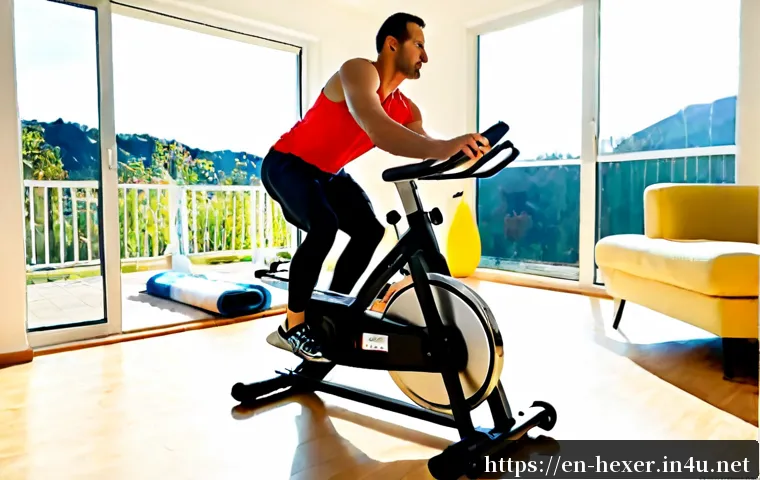
A stationary exercise bike is often simple to use at home. An elliptical trainer can suit people who want an indoor machine with a smooth movement pattern. Rowing machines can provide another indoor option, while swimming depends on pool access and scheduling. A gym can be valuable when you want to try several machines without committing to one large equipment purchase.
There is no need to force yourself into a workout style you dislike. If cycling makes it easier to train regularly, it may be a better decision than buying running gear or following an interval plan that does not match your preferences.
Interval training: time-efficient but not necessary every day
Interval training alternates harder efforts with easier recovery periods. It can be performed through walking, cycling, rowing, running, swimming, or cardio machines. It may be useful for people with limited time who already have a consistent base of easier aerobic activity.
Still, an all-HIIT approach is often difficult to sustain. Higher-intensity sessions generally require more recovery, so they do not need to be the foundation of every workout. A better approach for many people is to keep most sessions manageable and use harder efforts selectively when recovery is good.
Fitness apps can be helpful here if they let you choose effort levels, session length, and rest periods. Look for plans that can be adjusted rather than programs that pressure you to train hard every day.
Comparison table: home, outdoors, gym, and class-based options
Use the table above as a starting filter. Outdoor walking or running may be enough if convenience and low cost are your priorities. Gym access can be useful when you want variety, indoor equipment, pool access, or a structured class setting. Home fitness equipment can reduce travel barriers, but only if the machine will be used consistently.
Build a Weekly Routine You Can Maintain
Start with a realistic weekly frequency and session length
Begin with an amount of activity that fits your current schedule, energy, and fitness level. A routine that looks modest on paper can be more effective than an ambitious plan you stop after a short period. Regular aerobic activity is commonly encouraged alongside muscle-strengthening work, so think of cardio as one part of your overall activity pattern.
For example, you might choose several manageable walking or cycling sessions across the week instead of reserving all activity for one demanding workout. If your schedule is unpredictable, shorter sessions can still be practical. The key is creating a repeatable appointment with yourself, whether that is outdoors, at home, or at a gym.
Combine easy aerobic sessions with limited higher-intensity work
Easy sessions can form the base of a sustainable cardio workout plan. These may include walking, easy cycling, swimming, elliptical training, or relaxed rowing. If you enjoy intervals and recover well, add them carefully rather than replacing every easier session.
This mix gives you flexibility. On a low-energy day, choose an easy walk. On a day when you feel prepared for more effort, use a brief interval structure on a bike, treadmill, rower, or outdoor route. Consistency does not require identical workouts.
Why strength training, sleep, and food intake still affect results
Cardio can increase energy expenditure, but fat loss is not determined by cardio alone. Food intake influences the long-term energy balance involved in body fat reduction. Sleep and recovery can also affect whether your exercise plan feels manageable from week to week.
Muscle-strengthening work is commonly encouraged alongside aerobic activity. You do not need to treat cardio as punishment or try to “earn” meals with a machine display. Build a routine that supports your health and leaves room for recovery.
How to progress without dramatically increasing workout time
Progress can mean making the same routine easier to complete, being more consistent, choosing a slightly more challenging route, adding a small incline, or using brief intervals when appropriate. It does not always mean doubling workout time or turning every session into a hard session.
Track simple information such as sessions completed, how you felt afterward, and whether the plan fits your schedule. A wearable tracker or fitness app may help organize this information, but its calorie estimate should not be treated as a precise measure of fat loss.
Common Cardio Mistakes That Can Stall Progress
Choosing workouts that are too intense to repeat consistently
The biggest mistake is often selecting the most exhausting option instead of the most sustainable one. If you repeatedly need long recovery periods after a workout, the plan may not match your current fitness level. Lower-impact exercise is not a lesser choice when it helps you stay active consistently.

Treating machine calorie numbers as exact targets
Cardio machines and wearable trackers provide estimates, not exact measurements of individual calorie expenditure or body fat loss. Use the display as a rough reference for workout structure if it helps, but avoid treating the number as a precise target that dictates food intake or predicts results.
Ignoring hunger, fatigue, pain, or poor recovery
More training is not always better. Persistent pain, worsening fatigue, or poor recovery can be signs that your approach needs adjustment. Consider reducing intensity, choosing a lower-impact cardio option, reviewing your schedule, or seeking qualified guidance when appropriate.
Buying equipment before testing whether the routine fits your schedule
A home treadmill, exercise bike, elliptical, or rowing machine can be convenient, but convenience depends on your actual habits. Before investing, test a similar machine at a gym, use a friend’s equipment if available, or follow a simple walking plan first. The best home fitness equipment is the equipment that removes a barrier you genuinely face.
Match the Workout to Your Schedule, Budget, and Fitness Level
Beginner plan: walking, cycling, or low-impact machine sessions
If you are beginning or returning after a break, start with walking, easy cycling, swimming, or an elliptical workout. These options can support aerobic activity without requiring you to begin with high-impact running or demanding intervals. Focus on building the habit first.
A free outdoor walking route may be enough. If weather or safety makes outdoor exercise difficult, indoor walking, a gym membership, or a basic stationary bike may add practical value.
Busy schedule plan: short sessions and strategically used intervals
Busy workers often benefit from reducing setup time. Keep shoes ready near the door, use a nearby walking route, or choose an on-demand fitness app that offers sessions matching the time you have. Short sessions can be easier to complete than waiting for a perfect long workout window.
If you already tolerate harder exercise well, intervals can provide variety in a shorter session. But do not assume you need intervals to make progress. A brief, repeatable walk or bike session is still a useful choice.
Home workout plan: minimal-equipment versus cardio machine options
Minimal-equipment plans can include outdoor walking, stair walking, bodyweight movement, or app-guided aerobic sessions. This option keeps costs low and makes it easy to test your consistency before buying anything.
Home cardio machines may be useful when travel time, weather, childcare, or privacy prevents you from exercising regularly. Compare available space, noise, maintenance needs, comfort, and whether more than one household member will use the equipment. A machine does not need to be the most advanced model; it needs to be practical enough to use repeatedly.
Gym plan: when classes, machines, or a trainer may be worth the cost
A gym membership may be worthwhile if you need indoor access, enjoy classes, want a wider selection of cardio machines, or prefer a place dedicated to exercise. It can also allow you to try cycling, rowing, elliptical training, treadmill walking, and swimming where pool access is included.
Qualified coaching or personal training may be useful when you want help learning equipment, building a routine around your schedule, or adapting training after a period of inactivity. Check the coach’s qualifications, communication style, and whether their plan includes recovery and realistic progression rather than constant high-intensity workouts.
Choosing Your Cardio Setup: A Decision-Stage Comparison
Free outdoor routine versus paid gym membership
Choose a free outdoor routine when walking, jogging, or cycling routes are accessible and you can train reliably without indoor equipment. Consider a gym membership when indoor access, machine variety, group classes, or pool access would make you more consistent. The right choice is not the one with the most features; it is the one you will use.
When a treadmill, exercise bike, or rowing machine may be a useful investment
A home cardio machine may be useful if it solves a recurring problem such as weather, travel time, or limited access to safe outdoor space. A treadmill can support walking or jogging indoors. An exercise bike can offer a lower-impact option. A rowing machine may appeal to people who enjoy that movement and have space for it.
Before deciding, consider storage, noise, comfort, available room, and whether the equipment matches your preferred activity. Review the official product details, warranty terms, and return conditions on the relevant page before purchasing.
What to evaluate in fitness apps, trackers, and coaching services
For fitness apps, look for adjustable session lengths, clear effort guidance, and workouts that fit your available equipment. For wearable trackers, prioritize features that help you notice activity patterns and recovery habits rather than relying on calorie estimates as exact data.
For coaching services, look for qualified support, individualized communication, and a plan that accounts for your schedule and recovery. Avoid any service that promises a guaranteed rate of fat loss or presents one workout method as universally best.
A final checklist for choosing a sustainable fat-loss cardio plan
Ask yourself: Can I do this most weeks? Is the impact level comfortable for me? Does it fit my available time? Can I use it indoors when needed? Does the ongoing cost make sense for my budget? And does it leave enough energy for sleep, strength training, work, and daily life?
Selection Criteria and Comparison Summary
Choose free outdoor cardio if walking, jogging, or cycling is accessible and easy to repeat. Choose a gym if machine variety, classes, or pool access remove barriers. Consider home equipment if indoor convenience is the main missing piece. Use apps or trackers for structure and habit support, not precise calorie claims. Consider qualified coaching if you need help with exercise selection, technique, or a realistic plan. Review official details, membership terms, equipment specifications, and coaching qualifications on the relevant provider page before making a decision.
In Closing
The best cardio for fat loss is usually the workout that fits your life well enough to continue. Walking can be enough for many people, while cycling, swimming, machines, running, and intervals offer useful alternatives. Start with a manageable option, protect recovery, and adjust based on what you can sustain. A practical routine is more valuable than a perfect-looking plan that does not last.
Useful Things to Know
1. Low-impact cardio can still support aerobic fitness and energy expenditure.
2. A machine or wearable calorie number is an estimate, not a direct measure of body fat loss.
3. Regular aerobic activity and muscle-strengthening work can be part of the same weekly routine.
4. A backup indoor option can help maintain consistency when outdoor exercise is not practical.
5. Paid fitness tools are most useful when they solve a real access, scheduling, or motivation barrier.
Important Considerations
This information cannot identify the safest exercise choice, calorie needs, recovery capacity, or injury risk for an individual. Health conditions, medications, injuries, pregnancy-related factors, and existing exercise restrictions may require personalized clinical guidance. Stop treating discomfort as something to push through if pain or poor recovery develops, and verify local pricing, availability, contract terms, and service quality directly before choosing a gym, coach, app, or piece of home fitness equipment.
Frequently Asked Questions
Q1. Is walking enough cardio to help reduce body fat?
A1. Walking can contribute to aerobic activity and energy expenditure, so it can be part of a fat-loss plan. It is especially practical because it is accessible, lower impact, and easy to repeat. Long-term results still depend on the overall relationship between energy expenditure and energy intake.
Q2. Is HIIT better than steady-state cardio for fat loss?
A2. HIIT can be time-efficient, but it is not automatically better for every person. Higher-intensity sessions generally require more recovery and may not be suitable as a daily starting point. Steady, manageable cardio can be a better option when it helps you remain consistent.
Q3. Should I buy a treadmill or join a gym for a fat-loss workout routine?
A3. Choose based on what removes the biggest barrier. A treadmill may help if you need reliable home access for walking or jogging. A gym may be more useful if you want several machines, classes, pool access, or the motivation of a dedicated exercise space. Test the routine and review official terms before committing to either option.