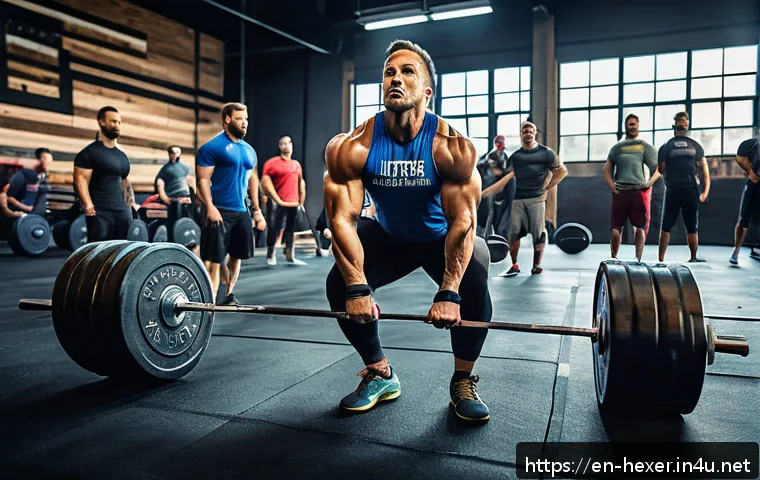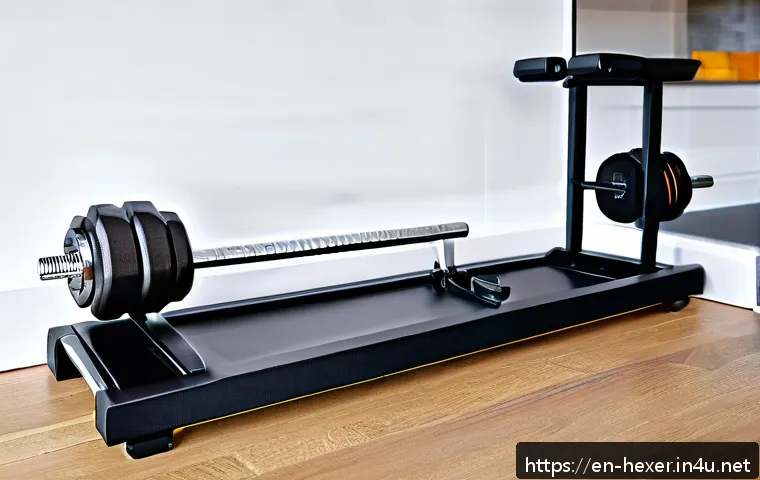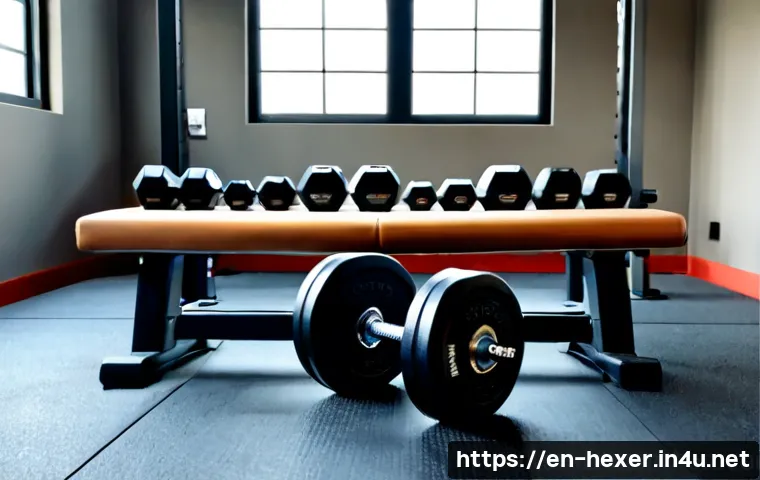
Heavy dumbbells should match your training goals, usable weight range, floor space, and budget. Compare fixed, adjustable, rubber hex, and round styles, plus safety, storage, delivery, and long-term value before buying.
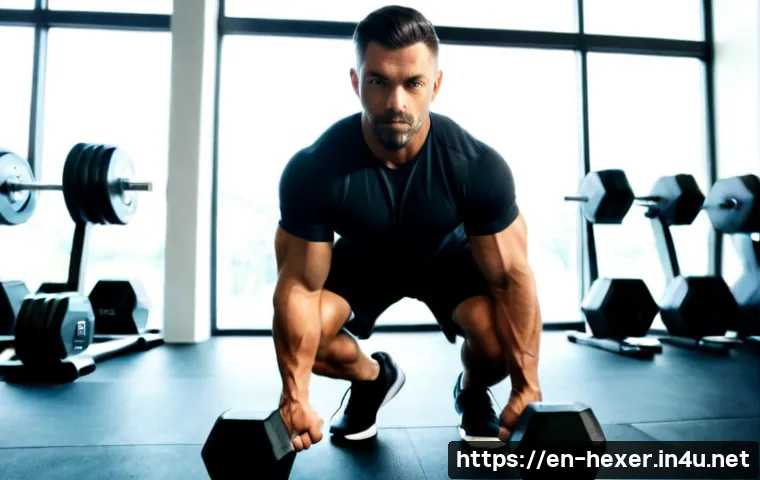
Heavy dumbbells are best chosen by the maximum load you can use safely, the space you can dedicate to storage, and how quickly you need to change weights during training.
Fixed pairs suit fast, repeatable strength sessions, while adjustable systems can make more sense when floor space is limited. For many home gyms, rubber hex dumbbells offer a practical mix of stability and floor protection, especially when paired with reliable flooring and a stable rack.
The lowest listed price is not always the best value once delivery weight, storage, weight increments, and long-term training needs are included. Choose a setup that supports presses, rows, lunges, Romanian deadlifts, and carries without becoming too light too soon.
Before ordering, verify the product dimensions, stated weight limit, delivery terms, return process, and warranty details.
At a Glance
- Choose fixed dumbbells when fast changes between sets and a ready-to-use training flow matter most.
- Choose adjustable dumbbells when you need multiple weight options but have limited floor space.
- Include a rack and suitable flooring in the total home gym equipment budget when buying heavier pairs.
| Type | Best For | Training Flow | Storage Consideration | Value Factors to Compare |
|---|---|---|---|---|
| Fixed rubber hex | Regular strength sessions and multi-exercise workouts | Fast; each pair is ready to use | Needs a rack or dedicated floor area | Pair cost, rack capacity, delivery weight, coating quality |
| Adjustable dumbbells | Compact rooms and flexible weight selection | Depends on the adjustment mechanism | Can reduce the number of individual pairs needed | Maximum load, increments, adjustment security, warranty |
| Round dumbbells | Users who prefer their feel and have organized storage | Fast when stored on a rack | Rack storage is especially important because they can roll | Rack compatibility, controlled placement, floor protection |
| Urethane styles | Durability-focused home gym setups | Fast when purchased as fixed pairs | Usually benefit from dedicated rack storage | Long-term condition, delivery arrangements, total setup cost |
The Quick Answer: Choose Heavy Dumbbells Based on Load, Space, and Training Style
The best heavy dumbbell setup is the one that gives you a useful maximum load, manageable weight jumps, and a safe place to store and use every pair. Start with the movements you actually train, then compare fixed and adjustable options by workout convenience rather than headline price alone.
Three Quick Recommendations
For a small apartment or multipurpose room, an adjustable system may be the practical choice because it can reduce the number of separate pairs on the floor. For progressive strength work where you move quickly from presses to rows or lunges, fixed rubber hex dumbbells can make sessions smoother because each weight is immediately available. For a dedicated home gym, a collection of fixed pairs with a stable rack can be easier to organize and expand over time.
Why the Cheapest Price Is Not Always the Lowest Long-Term Cost
A low initial heavy dumbbell price can be less useful if the weight range is too limited, the increments are too large for steady progression, or the storage solution is missing. Compare the full purchase: individual pairs or a set, rack needs, appropriate flooring, delivery weight, and warranty terms. Buying fewer high-quality pairs you will use often may be better value than buying a large set that sits unused.
The Minimum Safety Setup for Heavier Pairs
Heavier dumbbells need a controlled training area. Use suitable flooring, place the rack on a stable surface, and keep clear space around it for picking up and setting down weights. If your dumbbells use collars or an adjustment mechanism, inspect that system before training. Controlled lowering matters: avoid dropping weights unless both the equipment and the training surface are intended for it.
Fixed vs. Adjustable Dumbbells: Which Delivers Better Value?
Neither format is automatically better. The stronger purchase decision comes from matching the equipment to your workout pace, available space, desired maximum load, and willingness to manage adjustments between sets.
Fixed Rubber Hex Dumbbells for Fast, Stable Strength Sessions
Rubber-coated hex dumbbells are widely used in home gyms because their shape helps limit rolling, while the coating can help protect flooring. Fixed pairs are convenient for circuits, supersets, and sessions where you need several loads ready at once. They do require more room as your collection grows, so rack compatibility should be checked before buying a full set.
Adjustable Systems for Limited Space and Flexible Weight Selection
Adjustable dumbbells can reduce the number of individual pairs required, which can save floor space. They can be useful for a home gym that shares space with daily living. Before choosing one, compare the stated maximum load, available increments, dimensions, and how securely the adjustment mechanism works. An adjustable model may not feel equally balanced or comfortable for every exercise, so product-specific handling is worth considering.
Round and Urethane Styles: Durability, Feel, and Storage Considerations
Round dumbbells may appeal to lifters who prefer their shape or finish, but they can roll when placed on the floor. That makes rack storage and careful placement more important. Urethane styles are another option for buyers prioritizing durability and a more refined home gym setup. In either case, compare the overall equipment bundle cost, including storage and delivery, rather than viewing the dumbbells as an isolated purchase.
Comparison Table: Cost Factors, Weight Changes, Footprint, and Workout Convenience
| Buying Question | Fixed Dumbbells | Adjustable Dumbbells |
|---|---|---|
| How fast can weights change? | Usually fast because each pair is separate | Depends on the adjustment method and setup |
| How much space is needed? | More space as more pairs are added | Often less floor space than multiple fixed pairs |
| How easy is it to expand? | Add individual pairs when needed | Expansion depends on the system’s stated range |
| What should be checked before ordering? | Rack fit, pair dimensions, delivery weight, warranty | Maximum load, increments, mechanism, dimensions, warranty |
Pick a Useful Heavy Weight Range for Your Strength Goals
Plan your range around the exercises that demand the most load, but do not ignore movements that benefit from smaller changes. A useful setup should let you train major compound lifts while still offering manageable choices for lighter or more controlled work.
Matching Load Ranges to Presses, Rows, Squats, Hinges, and Carries
Presses, rows, lunges, Romanian deadlifts, and loaded carries can all use heavier dumbbells, but the load you need may differ greatly by exercise. Rather than picking one maximum weight based on a single lift, list the movements you repeat each week. Then identify which exercises need heavier pairs and which need more gradual jumps.
Why Weight Increments Matter for Progressive Overload
Weight increments influence how easily you can progress. Smaller jumps can be useful when you are near a strength plateau or when a larger increase changes your form too much. This is one reason an adjustable system with appropriate increments, or selected fixed pairs around your most-used loads, may provide better practical value than a setup with large gaps.
Avoiding a Setup That Becomes Too Light Too Quickly
Buying only for your current easiest exercises can leave you with equipment that no longer challenges rows, hinges, or carries as your training progresses. At the same time, choosing an extreme maximum load based only on ego lifting can create unnecessary cost and storage problems. Aim for a range that suits your current training plan and leaves a sensible path to add capacity later.
Budget, Delivery, and Home Gym Setup Costs to Check Before Buying

Heavy dumbbell price comparison should include more than the listed product amount. A complete home gym purchase may involve individual pairs, an adjustable system, a rack, flooring, delivery arrangements, and possible return conditions.
Compare Individual Pairs, Sets, Adjustable Systems, and Racks
Individual fixed pairs let you build around the weights you use most. A larger set may offer broader choice, but it also requires storage and may include pairs you rarely touch. Adjustable dumbbells can consolidate many selections into a smaller footprint. Compare each route by usable range, frequency of use, and the cost of a safe storage solution.
Account for Delivery Weight, Access Conditions, and Return Policies
Heavy equipment delivery deserves attention before checkout. Product weight, package dimensions, shipping fees, access conditions, and return policies can vary by retailer and manufacturer. Confirm how the order will reach your training area, especially if stairs, narrow entrances, or shared building access are involved.
Flooring, Storage, and Rack Capacity as Part of the Real Purchase Price
A rack should be stable and suitable for the dumbbells you plan to store. Flooring can help protect the training surface and provide a more appropriate area for controlled placement. These are not optional details when heavier pairs are involved; they are part of the real long-term cost and safety of a home gym equipment setup.
Heavy Dumbbell Safety and Common Buying Mistakes
Good equipment cannot replace careful handling, but the right design and setup can reduce avoidable problems. Make safety checks part of the buying decision, not an afterthought after delivery.
Check Handle Diameter, Knurling, Grip Comfort, and Adjustment Security
Grip affects control during rows, presses, hinges, and carries. Check the handle diameter, knurling, and overall comfort where product details are available. For adjustable dumbbells, verify how the mechanism locks and follow the manufacturer’s instructions. If you have an injury, medical restriction, or technique concern, seek appropriate professional guidance before loading heavily.
Prevent Floor Damage and Rolling Hazards
Rubber hex shapes can help limit rolling, but every dumbbell should be placed down with control. Round dumbbells need extra care because they can roll on the floor. Keep walkways clear, use an appropriate rack, and avoid leaving heavy pairs where someone could trip over them.
Do Not Choose Maximum Weight Based Only on Ego Lifting or One Exercise
A heavy pair that only works for one movement may not be the most efficient purchase. Consider the full program: compound exercises, isolation work, unilateral training, and carries. The best setup supports consistent training with loads you can control safely and store properly.
Selection Criteria and Comparison Summary
Before you buy, check these decision points: maximum usable load, weight increments, available floor space, rack compatibility, flooring needs, delivery arrangements, warranty terms, and the total cost of the setup. For a small room, prioritize compact storage and secure adjustment. For a dedicated strength-training area, fixed pairs and a stable rack can offer a smoother workout flow. Compare product specifications and current delivery and warranty conditions on the relevant product page before placing an order.
Final Thoughts
Heavy dumbbells are a long-term home gym purchase, so buy for the training you will repeat rather than the heaviest number on a label. Fixed rubber hex pairs are often practical for quick strength sessions, while adjustable dumbbells can be a strong space-saving option. Build around useful exercises, sensible progression, and a stable storage plan. The right setup is one you can use consistently, handle with control, and expand when your needs change.
Useful Information to Know
1. Smaller weight jumps can be helpful when progress slows.
2. Round dumbbells require more attention to rack storage and controlled placement.
3. A rack and suitable flooring should be considered before heavier pairs arrive.
4. Manufacturer and retailer terms for dimensions, delivery, and warranty can vary.
Important Considerations
Exact weight needs, room dimensions, flooring type, budget, current prices, shipping fees, and product availability must be checked individually. Adjustable dumbbells do not necessarily feel the same for every person or exercise. If pain, injury history, medical restrictions, or uncertainty about lifting technique is involved, get qualified guidance before using heavy loads.
Frequently Asked Questions
Q1. Are adjustable dumbbells good enough for heavy strength training?
A1. They can be suitable if their stated maximum load, available increments, and adjustment mechanism fit your training needs. Check whether the system supports the exercises you prioritize and whether the handling feels secure for controlled strength work.
Q2. What is a sensible maximum dumbbell weight for a home gym?
A2. The sensible maximum depends on your training experience, exercise selection, available space, flooring, and budget. Review the movements you train most often, especially presses, rows, lunges, Romanian deadlifts, and loaded carries, then choose a range that will not become too light too quickly.
Q3. Is it better to buy fixed dumbbells individually or purchase an adjustable set?
A3. Fixed pairs are often better for fast weight changes and dedicated training spaces. An adjustable set may be better when storage space is limited. Compare usable weight range, increments, workout flow, rack needs, delivery weight, warranty terms, and total setup cost before deciding.